TNCS Wins Southeast Baltimore City Schools Recycling Competition!

This week, The New Century School elementary students had a very special visitor. Councilman Jim Kraft spoke to Ms. DuPrau’s and Ms. Roberts’s classes on December 16th and presented them with an official award as winners of the Southeast School’s 2013 Recycling Competition. Councilman Kraft was accompanied by Emily Sherman, a member of his City Hall office and a Shriver Peaceworker Fellow, and Robert Murrow, Baltimore City’s Recycling Coordinator (known to the kids as “Mr. Bob”). Ms. Sherman said that the contest’s goal is to “get students more aware of the impact of their recycling and also more aware of what can be recycled.” Surprisingly, many people still don’t know how easy—and how beneficial—it is to recycle, she reports.
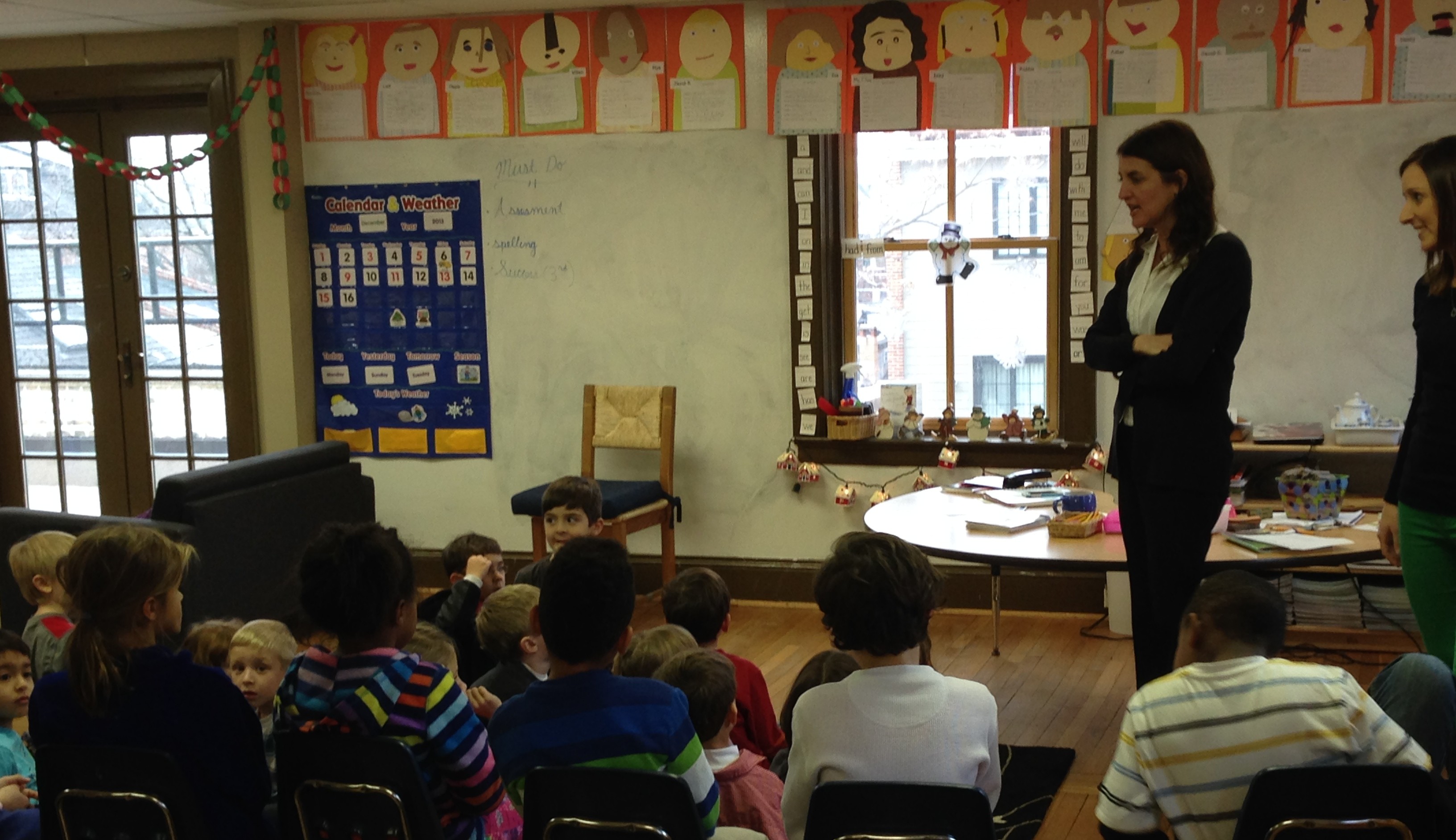
Ms. Danyali introduces some very special guests and also opens the discussion about recycling.

Ms. Danyali introduces some very special guests and also opens the discussion about recycling.

Head of School Alicia Danyali began the presentation by asking students why recycling is important. Lots of kids gave great responses, but one boy’s answer, “So we don’t pollute the world,” kind of hit the nail on the head and is why the Councilman’s office targets schools. “We get to them while they’re young to instill healthy behavior, says Ms. Sherman. After a few more pithy yet adorable student responses, Ms. Danyali turned the floor over to the visitors.

It’s safe to say that Councilman Kraft really understood his audience. Dressed in Christmas-y hues with a holiday-patterned tie, he began by addressing the elephant in the room: “You guys don’t really want to hear what I have to say—you want to talk about Santa, don’t you?” Once the laughter and cheering subsided, Councilman Kraft had the audience in his palm. Well known for his pro-environment platform, Councilman Kraft has been holding this recycling contest for several years among his other green initiatives. (This was TNCS’s first year participating, but even as rookies, we held our own.)

Councilman Kraft presents Robert Murrow (a.k.a., "Mr. Bob") to a rapt audience.

Councilman Kraft presents Robert Murrow (a.k.a., “Mr. Bob”) to a rapt audience.

In fact, says Ms. Sherman, this year’s contest had the most participants to date. Going up against nine other areas schools, TNCS elementary students gathered recycling around the school into brown bags and reported to Ms. Danyali on a weekly basis, who, in turn, called City Hill with the week’s tally. She dubbed them her “Recycling Ambassadors,” and they competed not only against exponentially larger schools (with up to 700 students), but also against other students as old as age 18 years. (Note: Totals were assessed per capita rather than schoolwide to level the playing field for smaller schools such as TNCS.)

In their presentation, Councilman Kraft and “Mr. Bob” once again tapped into the kids’ seasonal excitement. “Santa Claus is the world’s biggest recycler,” said Mr. Bob. “We’re in constant contact,” he continued, “and we send out press releases to let everyone know that Christmas is a great time to recycle.” Wrapping paper, old electronics, styrofoam packing, cardboard, etc. can all be recycled, and it’s very important to remember to do so. Mr. Bob finished by asking the first-place winners to give themselves a big hand.

Councilman Kraft presents the award to a TNCS Recycling Ambassador.

Councilman Kraft presents the award to a TNCS Recycling Ambassador.

In addition to presenting a very official-looking certificate, Councilman Kraft also promised to donate several copies of The Lorax to TNCS’s library (the lorax also being very pro-environment—“[He] speaks for the trees.”). Best of all, the kids win a field trip to the Baltimore Aquarium plus lunch in early 2014.
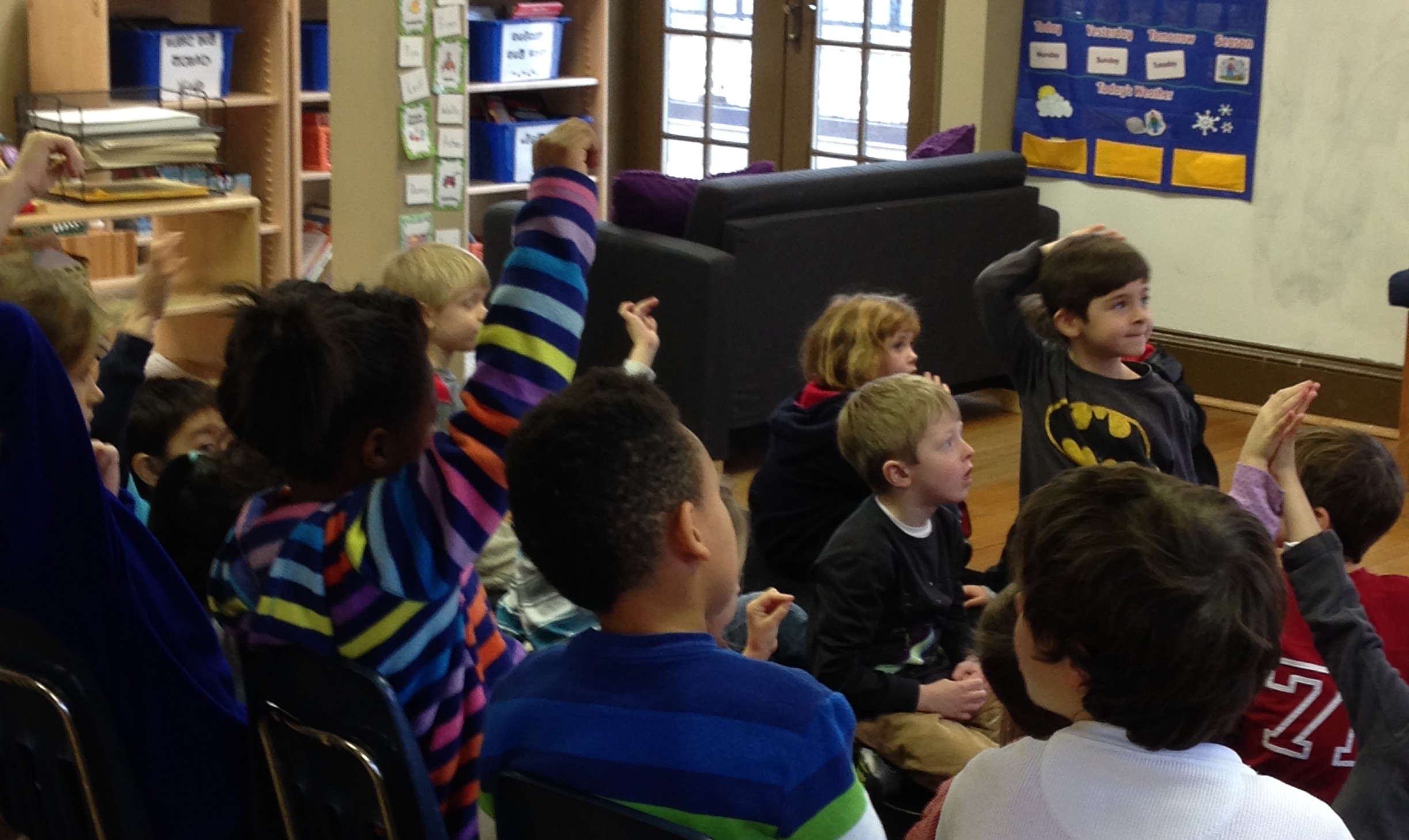
The kids are brimful of questions about recycling . . . among other things.

The kids are brimful of questions about recycling . . . among other things.

As the City Hall delegation wound down their presentation, the kids had questions. Lots of questions. Including these directed to Mr. Bob: “Are you an elf? Will you show us your ears?” He was wearing green pants, after all. In all seriousness, though, Mr. Bob has helped make recycling a snap in Baltimore, which uses a single-stream method and requires no separating of recyclables into constituent materials.

TNCS elementary students have shown our community not only that recycling is so easy that anyone can do it but also that TNCS and Councilman Kraft fully support such environmentally sustaining practices. “TNCS was green to begin with,” said Ms. Sherman, “so this was icing on the cake!”

Update: On February 21st, the elementary students got their reward trip. See the delights!

TNCS Gives Thanks by Giving Back

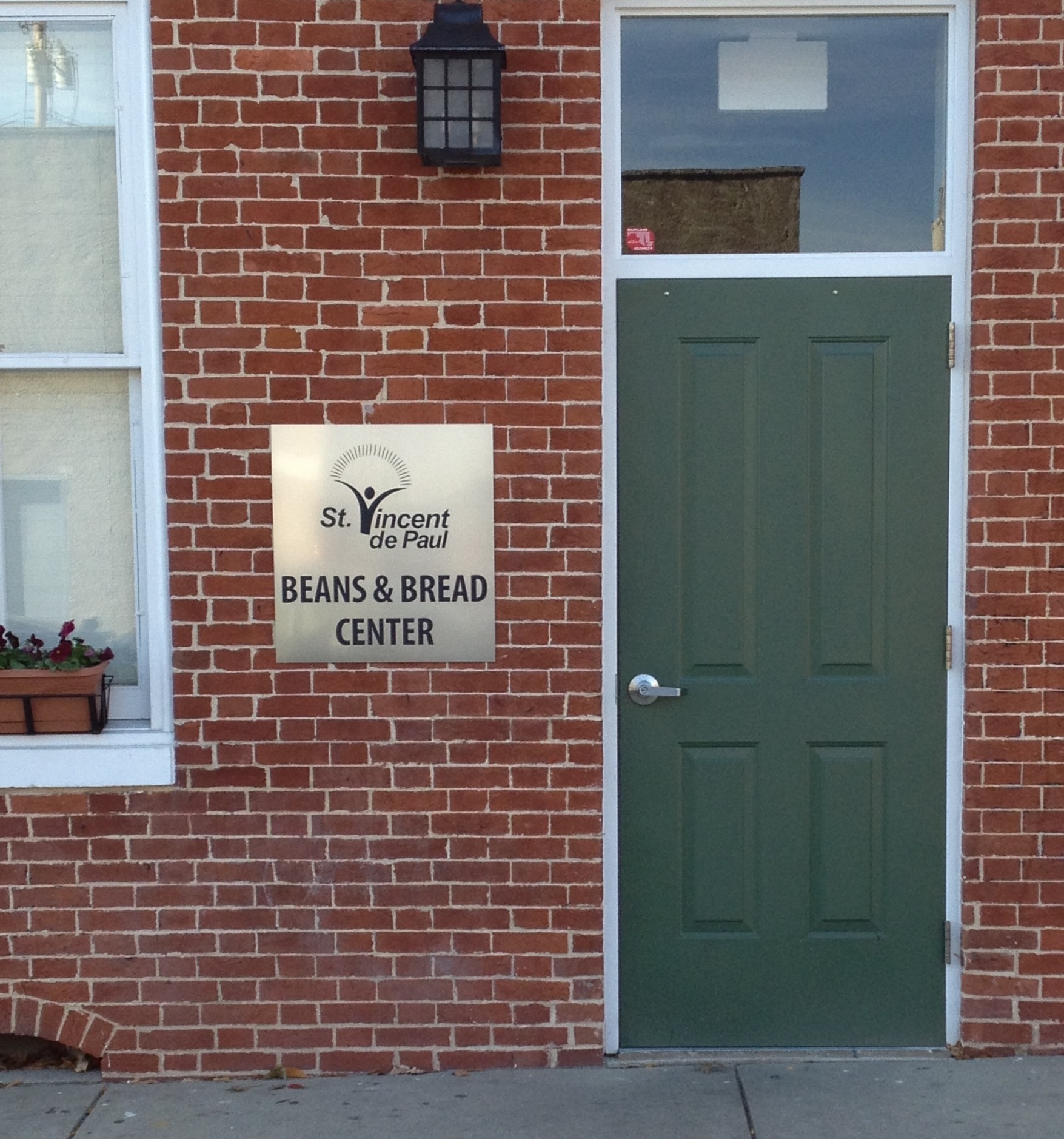
Beans & Bread---it's not only the nutritionally perfect combination of protein and carbohydrate, but it suggests new possibilities, just as Jack's magic beans opened up a new world via his giant beanstalk.

Beans & Bread—it’s not only the nutritionally perfect combination of protein and carbohydrate, but it suggests new possibilities, just as Jack’s magic beans opened up a new world via his giant beanstalk.

With the autumn holiday season gearing up, The New Century School is counting blessings, taking stock of its manifold accomplishments, and looking for ways to share its good fortune with the surrounding community. So, just as TNCS did last year, we are once again hosting a food drive from 11/13 through 11/22 to donate to St. Vincent de Paul’s Beans & Bread program. Head of School Alicia Danyali says, “We chose Beans & Bread because they are close to the school, and we feel strongly that giving back should be kept in the neighborhood or in close proximity to what would make a difference locally.” TNCS is participating in a measurable way in keeping Fell’s Point viable and sustaining.

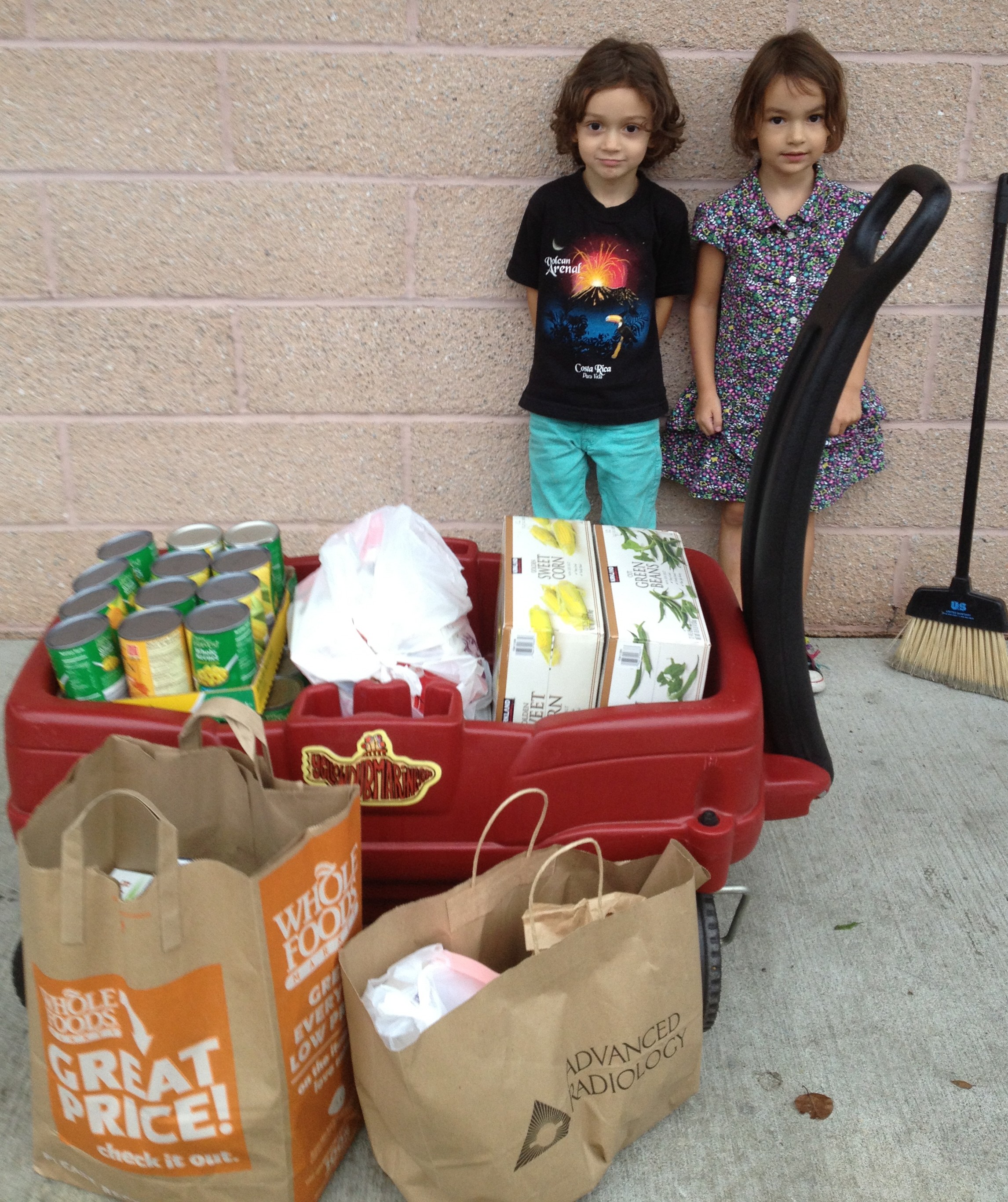
“Beans & Bread is a comprehensive day resource program that offers a complete range of supportive services designed to help individuals attain stabilization and self-sufficiency. Services are client-centered and focused in four core areas:  housing, employment, health, and recovery,” according to their website. TNCS is making it extremely convenient for us to assist with these very worthy pursuits. Simply bring your donatable food items to drop off in boxes placed outside the school office when you come for your parent–teacher conferences in the coming 2 weeks. “I cannot remember how much we collected last year,” says Ms. Danyali, “but I know we filled an SUV to the brim when delivering the goods! This year, I hope every family at TNCS can participate and donate a minimum two items from the needs list, if possible.”

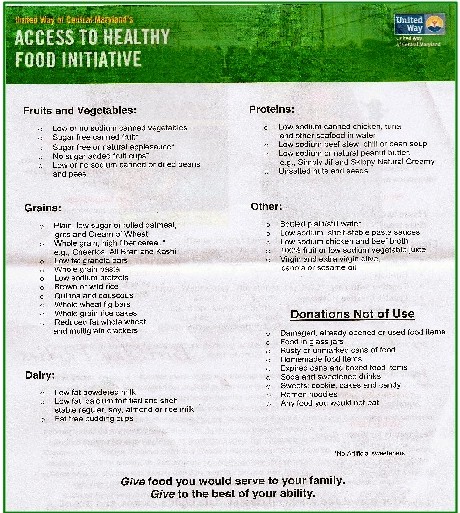
Emphasize low-fat, low-sugar, whole-grain foods that you would serve your own family! A copy of this list was sent home in your child's school bag.

Emphasize low-fat, low-sugar, whole-grain foods that you would serve your own family! A copy of this list was sent home in your child’s school bag.

Sounds eminently doable! Partnering with United Way of Central Maryland’s Healthy Food Initiative, Beans & Bread asks for food items to be those that you would serve to your own family. Also, choose whole-grain and low-fat options when possible, avoiding sugar-added and sweetened food and drinks.

True to form, the TNCS community is finding other ways to demonstrate their inherent altruism. Such creative and inspiring acts include donating surplus Halloween candy to deployed armed forces, for example. Another idea that caught on like wildfire among TNCS families was asking for charitable donations in lieu of birthday gifts at kids’ parties. Local hunger charities (such as Beans & Bread and Our Daily Bread) welcome canned goods collected at these parties, or cast your net more broadly and request small monetary donations to buy livestock through Heifer International, as one family did. Not only do the beneficiaries of these donations see immediate life improvement and empowerment, but your kids get the lifelong reward of learning to share and give. It’s wonderful to see how they so naturally welcome the idea, even when it means giving up birthday presents!

Howsoever you decide to share your wealth, remember that you will actually derive personal benefit from your selflessness—a beautiful paradox! Being altruistic is a  recognized happiness inducer!

Proceeds from our 5th birthday party went to Our Daily Bread! We were so happy that our friends helped us feed our Baltimore neighbors, and we enjoyed meeting the volunteers at ODB and seeing their huge kitchen :)!

Proceeds from our 5th birthday party went to Our Daily Bread! We were so happy that our friends helped us feed our Baltimore neighbors, and we enjoyed meeting the volunteers at ODB and seeing their huge kitchen :)!

History of Our Beloved Buildings

This coming week marks two very special anniversaries for The New Century School: Building North turns 124 years old on September 29th and Building South turns 87 on October 4th! To honor these occasions, let’s explore the history of these special places—how they came to be and what they meant and mean to Fell’s Point and Baltimore.

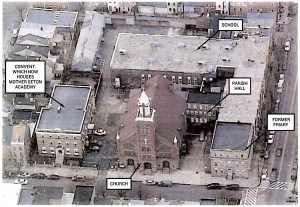
We’re lucky they’re still here, by the way. In 2006, developers planned to raze most of the site occupied by St. Stanislaus Kostka Roman Catholic Church (Building North) and its satellite buildings (including Building South) to make way for condominiums. Protestors and developers managed to reach a compromise that allowed the condos to go up in other parts of the church  grounds (see photo; the former St. Stanislaus school situated behind the church, the former parish hall nestled in the back right corner of the church’s parking lot, and the former friary on the corner of Ann and Aliceanna Streets), while the former church* itself and its adjacent former convent were preserved.

Aerial view of the corner of Ann and Aliceanna streets, circa 2006

Aerial view of the corner of Ann and Aliceanna streets, circa 2006

For the entire 20th century, St. Stan’s served the Polish Catholic community of Fell’s Point, finally closing in 2000 due to declining parishionership. As Baltimore’s first Polish Catholic Church, St. Stan’s was a symbol of community and ethnic identity to many and a landmark well worth putting up a fight for. Fell’s Point was a hub of Polish life in the late 1800s, offering employment in canning and lumber to an influx of immigrants. Because church activity pervaded every aspect of Polish culture, establishing a church was one of their first priorities, and the St. Stanilaus Society set to work raising the necessary funds. (The cost of the land in addition to erecting a church upon it amounted to $28,000.) They named the church after Stanislaus Koska, a 16th-century Polish saint who walked 350 miles to Rome to become a monk and died shortly after at only 18 years old.

Father Peter Koncz from Wilno, Poland was the first pastor but was murdered in 1888, possibly because of political turmoil brewing within the Polish Catholic community. His replacement was Father John Rodowicz, who ordered the first church torn down because of size (church membership was over 3,500) and lack of structural integrity, which he replaced with the stalwart St. Stan’s we know today. Several pastorates later, one Father Alphonse Figlewski ordered construction of a convent, which was blessed on October 4th, 1926 and conducted by the Felician Sisters.

Fast-forward to 1993, and the convent became Mother Seton Academy, a Roman Catholic tuition-free middle school for indigent 6th-, 7th-, and 8th-graders. The academy was named for Elizabeth Ann Seton, the first American-born saint. The former principal of the academy, Sister Mary Bader, said of the school, “The school is not just about academics, but also about the children’s social and emotional needs.” Thus, from the very beginning, TNCS has occupied a place imbued with the values it continues to embody.

When the church closed in 2000, the academy wanted to stay put and perhaps expand into the church itself. The church administration who owned the land were considering commercial development for the satellite buildings, but leaving the academy building alone. For the other satellite buildings, they were hoping for adaptive reuse, but structural engineers could not approve those plans based on the extent of disrepair. Other ideas included turning the church into a museum with a gift and coffee shop and demolishing all other buildings, including the academy.

After years of negotiations, mostly contentious, the church and the convent buildings were purchased for $400,000 by Mother Seton Academy in 2006. As late as 2005, the future of the site looked very different from how it has turned out. Then plans were to demolish the convent, school, parish hall, and friary, leave “Four-Bay Mansion” (circa 1795 captain’s mansion that fronted Aliceanna) intact, and build condominiums with underground parking. Ultimately, the Fell’s Point Preservation Society held sway and alternative plans were made, giving us our beautiful school buildings and grounds. In 2009, St. Stan’s was officially protected by the City of Baltimore’s Commission for Architectural and Historic Preservation (CHAP). CHAP status prevented the church from being razed but also imposed numerous building restrictions that proved too many for the original condo developer.

As for Mother Seton Academy, they closed their Ann St. doors on the final day of the school year, June 5, 2009, only to reopen in a bigger, newly renovated building at 2215 Greenmount Avenue, where they continue to thrive. Their legacy also lives on in TNCS, which opened the following year and is another school devoted to fulfilling all aspects of its students’ lives. Building North followed 1 year later, giving us pre-primary classrooms and The Lingo Leap as well as Sanctuary Bodyworks (not affiliated with the school). TNCS maintains continuity with the history of its setting, but also moves us forward into a new time, a new century. TNCS also cares deeply about the surrounding community. Knowing a little more about our historical and cultural context will help us participate in and embrace this neighborhood to our fullest extent.

*The church building was never slated for demolition, but its Byzantine interior would have been.

St. Stan's Byzantine interior, early 20th century

St. Stan’s Byzantine interior, early 20th century

Hack the Trash: Community Art Project

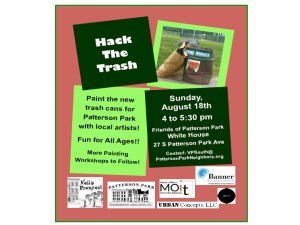
Hack the trashOn Sunday, August 11th, an exciting new public art project began in Patterson Park of particular interest to The New Century School community. Merging social activism and environmental awareness with art, “Hack the Trash” is part of a city-wide venture to improve our parks. Hack the Trash, a trash drum painting project, targets three main goals simultaneously: 1) adding more trash cans in public areas to deter littering, 2) beautifying the drums to promote increased use, and 3) raising awareness about a social issue—the art delivers a message on a chosen theme. The first session centered on Chesapeake Bay consciousness; the next, to be held Sunday, August 18th, also in Patterson Park, will focus on the park itself.

Led by artist Ben Peterson, Session 1 began with an explanation of “the importance of the Harris Creek Watershed and its connection to Patterson Park,” said the project’s main organizer, photographer Brian Schneider. Harris Creek runs below Canton, with its watershed covering a geographic area from Clifton Park down to the harbor at Harris Creek (north/south boundary) and from Johns Hopkins Hospital to Patterson Park (west/east boundary). In urban watersheds, stormwater management becomes highly important insofar as stormwater runoff transports bacteria, nutrients, sediments, toxins, and trash through storm drains into tributaries and ultimately into the Chesapeake Bay. So, about 15 people gathered to paint the eight cans raising public awareness about the watershed (photos courtesy of Brian Schneider Photography shown below).

Mr. Schneider says that Hack the Trash is actually part of a bigger venture called “Hack the Parks,” a partnership between the Mayor’s Office of Information Technology (MOIT) and Baltimore’s Department of Recreation and Parks, which challenged Baltimoreans to improve our urban green spaces. A series of grants was awarded in June to the cream of the project proposals. Hack the Trash was one of six pilot projects receiving this seed money in addition to park space and Rec and Parks resources. Though MOIT underwrites the project, technology is not necessarily a prerequisite for getting funded. The Hack the Park website states: “By hacking, we mean [that] citizens develop their own applications (whether they be technology-based or not) which create simple, tangible benefits for the community.” Now the name “Hack the Trash” begins to make a lot of sense—but with “paint application” rather than something we can run on our smartphones!

Altogether, Hack the Trash plans to hold 5–10 sessions, depending on the number of artists and participants, to paint a total of 30 cans purchased with their $1,200 grant. Mr. Schneider told the Baltimore Guide that he and his neighbors “applied for the grant because they got sick of seeing trash blowing all over Patterson Park.” Comparing Baltimore to larger cities that have less litter, they felt that part of the problem was simply not enough trash receptacles, and Hack the Trash was born. The project will also make sure that the receptacles are immediately visible but in an aesthetically pleasing way, rather than blending in with the background and getting missed, as sometimes might be the case.

So Patterson Park lovers, be sure to look for the new cans during your next visit—as well as consider joining Leanna Wetmore from Banner Neighborhoods at the Friends of Patterson Park House for Session 2 on August 18th at 4 p.m.  All ages can participate, and the kids would get a chance to have some fun, beautify their surroundings, and learn, all at the same time! Isn’t “technology” wonderful?

Bagging Bagged Lettuce

The perils of bagged lettuce have been all over the media this year; in 2012, a debate raged on whether to rewash or not to rewash bagged lettuce. Now, some recent NPR coverage has brought this issue back to the forefront. So with lettuce season upon us, this seems like a good time to show some gratitude for the fresh produce that The New Century School community has access to, both from One Straw Farm’s CSA for families at home and from Chef Emma Novashinki’s Garden Tuck Shop Program for school lunch. “Lettuce rejoice!”

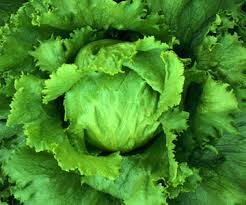
Salad washed & ready to eat . . . 2 weeks ago!

Salad washed & ready to eat . . . 2 weeks ago!

You might be thinking, “Pshaw. Prepackaged lettuce is so convenient—it’s already washed and ready to go! I have a full time job, already!” But if you’ve ever opened that Mixed Herb Salad with a use-by date several days in the future only to be choked by the smell of decomposing greenstuff, then you know that those bagged or boxed greens were actually harvested a good 2 weeks or more prior to your purchase. The waste of money aside, rotting lettuce tastes terrible and robs you of the significant health benefits you’d be reaping from fresh produce. So, really, what’s the point? The would-be convenience is negated by the glaring disadvantages. And, if you bother returning your rotten package to the grocery store, you haven’t even actually saved any time by not having to wash your lettuce yourself. However, the real shocker is, the triple-washing that prepackaged lettuce companies conscientiously implemented (to their credit) after the 2006 Escherichia coli outbreak probably doesn’t remove those intractable pathogens trapped just below the leaf’s surface that can make us really sick. Then there are the pesticides in nonorganic varieties. Although triple-washing probably removes the majority of chemicals, considering that lettuce is one of the most chemical-intensive crops, there’s likely some residue left behind (your chances of achieving cleaner lettuce are better at home, leaf by closely scrutinized leaf). To boot, triple-washing is enormously costly and a considerable drain on already scarce water resources in the nation’s biggest lettuce-producing areas like southern California.

Cleaner, healthier, tastier---no contest.

Cleaner, healthier, tastier—no contest.

Let’s get back to the health benefits of fresh lettuce. Buying a head whole and washing and prepping it yourself at home halts the nutrient-loss process. Turns out, lettuce and spinach are among those superfoods we should all be consuming in vast quantities but that almost immediately on picking begin to lose antioxidant content. According to Eating on the Wild Side: The Missing Link to Optimum Health author Jo Robinson, they should be on your refrigerator’s “Eat Me First” list. Moreover, doing the prep work yourself actually makes your lettuce healthier! “If you take your lettuce right from the store and rinse it and dry it and then, if you rip it into bite-sized pieces before you store it, you’re going to increase the antioxidant activity … fourfold. The next time you eat it, it’s going to have four times as many antioxidants.” Ms. Robinson recently appeared on Fresh Air; read more of the transcript here.

So, thank you, thank you, thank you TNCS for providing access to fresh, local produce both in school and at home. Now where did that darn salad spinner get to?

Unrelated, but definitely summery!

Unrelated, but definitely summery!

Check out this clever (okay strange) way to preserve fresh greens longer here.

Meet Dave, the friendly Bag O’Lettuce frog here (not joking).