Language Curriculum Specialist Joins TNCS

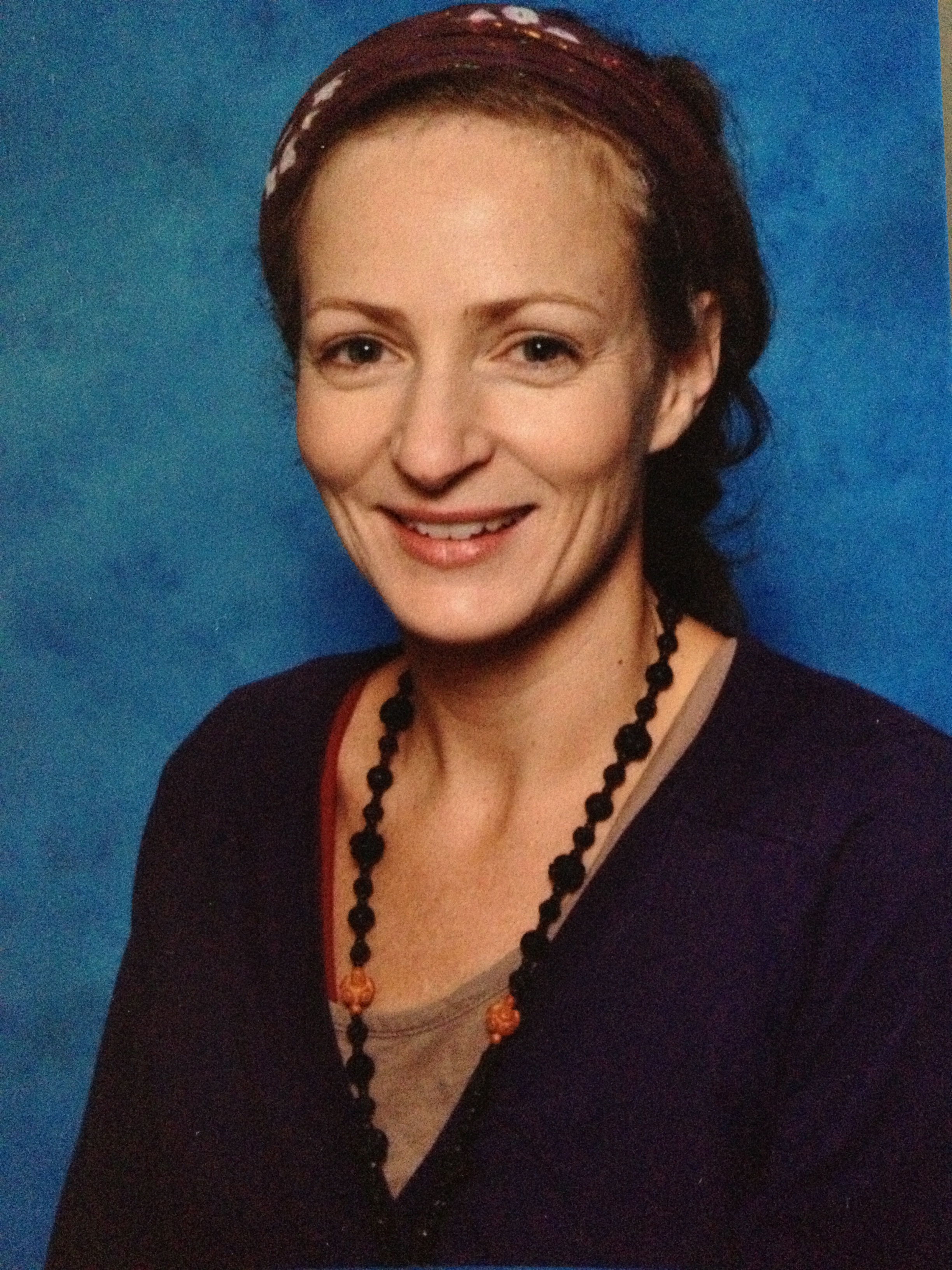
Lisa Warren, Language Curriculum Specialist

Lisa Warren, Language Curriculum Specialist

Piggybacking on a post (Multilingualism at TNCS: Optimizing Your Child’s Executive Function) from earlier this year, this discussion profiles Lisa Warren, on-staff language curriculum specialist at The New Century School. Ms. Warren came on board in October 2012 to organize and standardize the existing language education at the school. With a Master’s Degree in linguistics from Georgetown University that combined research into how kids acquire second language with curriculum design as well as previous experience teaching Spanish, French, and English, she is well qualified for this new role.

Her role, she says, is primarily to integrate language education throughout TNCS’s progressive, Montessori-inspired curriculum. The primary components of language education are already firmly in place—the teachers, the native speakers, the classes, and (in some cases) the immersion—but Ms. Warren has erected a framework on which these pieces can connect, be reproduced in successive classes annually as well as across the same level (i.e., all primary classes are focusing on the same lessons), and meet national standards. As she puts it, “There was a lot happening in language education around the school.”

She came to TNCS as the result of Head of School Alicia Cooper-Danyali’s active search for such a specialist. Mrs. Cooper-Danyali herself brings a wealth of language-immersion experience to her position and saw the need for the dedicated staff member who could connect all the language dots at TNCS in addition to crafting “plans that document the school’s long-term goals, which include a language curriculum both reproducible and adjustable.”

The Curriculum Map

Key to this exciting new TNCS initiative is a rubric called the curriculum map*. This level-specific document serves two purposes: 1) it provides a comprehensive overview of what is being taught in a given language (i.e., Spanish or Mandarin) and 2) it allows Ms. Warren to identify gaps and fill those in. Aspects of language education like culture and how well a particular class matches up with current themes guide her assessments. She is passionate about her work.

“Being able to talk about something in a lot of different ways is very important for cognitive development,” she says, drawing on her impressive research background. Indeed, the benefits of learning another language have been touched on in earlier blog posts, but Ms. Warren adds to the growing list. Wider cultural understanding, the ability to communicate with multiple populations, and keener analytic skills are among her special foci in what advantages speaking more than one language affords. Multilinguals have an “expanded view,” she says, “which makes them more creative and better problem-solvers.” She cites a study in which a cohort of bilingual kids and another of monolingual kids were asked to list alternative uses for a plastic water bottle. The monolinguals averaged only a couple; the bilinguals’ list stretched to 10 or more. This ingenuity translated to better Scholastic Aptitude Test (SAT) scores in a related study. It’s a known, but unfortunate fact that kids from lower socioeconomic groups tend to fare worse on standardized tests. Speaking more than one language abolishes this demographic disadvantage—bilinguals, no matter what their socioeconomic stratum, score higher in both math and verbal sections as well as overall. Click here for a comprehensive, annotated bibliography on this critical research.

Perhaps the best part of the curriculum map is that it allows teachers to target their teaching to students in the same class according to their individual levels. This means that students can enter TNCS at any age and have their learning needs met. This “differentiated instruction” is also rounded out by groupwork, such that, for example, elementary students are currently working on sustainable environment projects (sponsored by Clean Currents) for the Science Fair, part of which they are required to do in Spanish. Because they are working as a group, all levels support and help each other with the result that they learn the scientific method in two languages!

In the Classroom

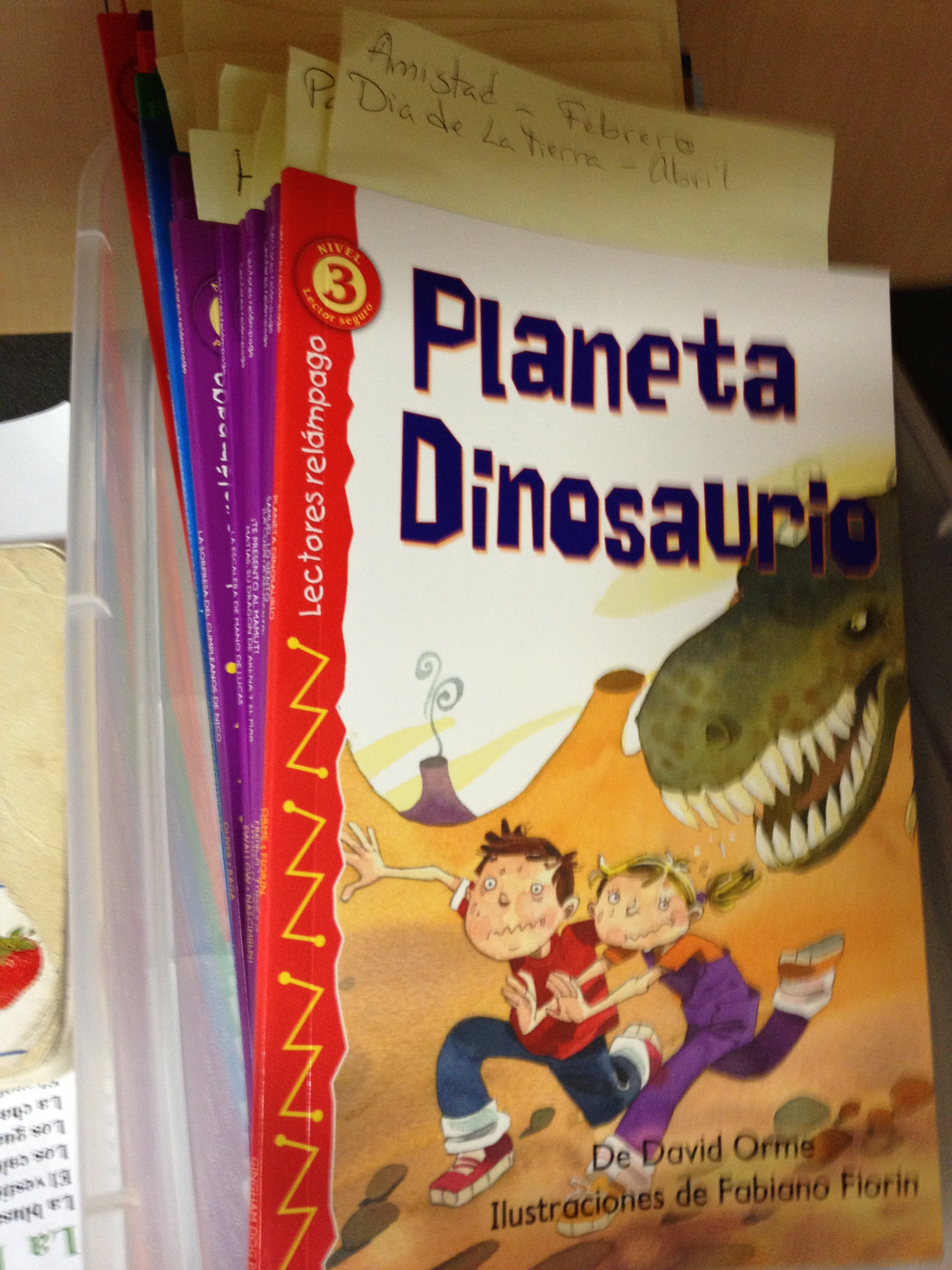
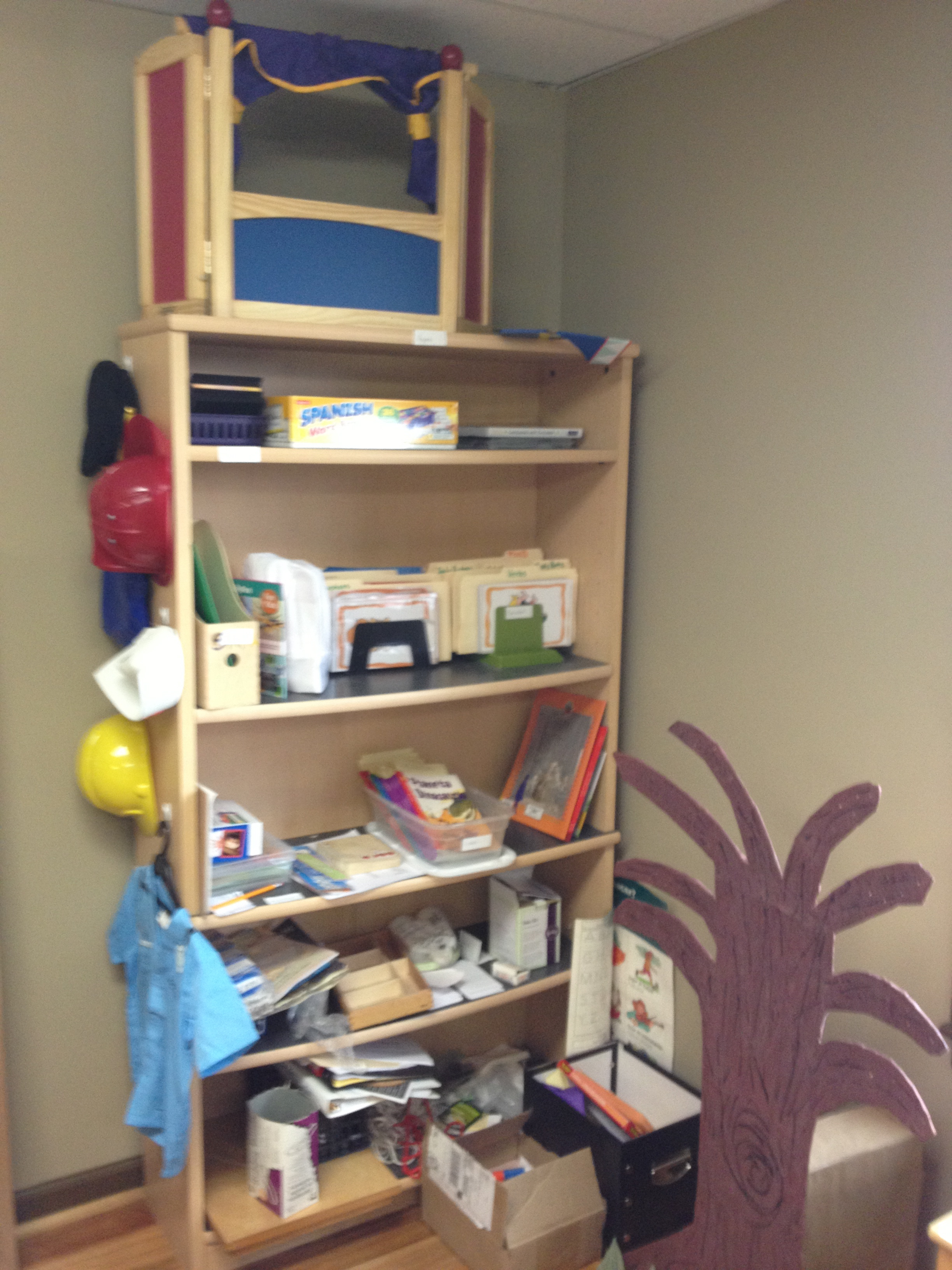
Ms. Warren’s work is not all behind the scenes. She likes to spend time in the classroom, getting to know the kids and working with the teachers to have a very clear sense of the application of her work. She provides a library of resources for teachers to draw from, for example, that includes books, puppets, costumes, flashcards, music, and more. She also offers professional development. For the latter, she might model certain behaviors to show a teacher how to maintain a focus on language while redirecting a disruptive student. Or, she might serve as her own “lab rat” in language class: if she is able to follow an activity in Mandarin, which she doesn’t currently speak, she knows it’s an appropriate activity for the students. If she gets lost, she helps the teacher reshape the activity to the students’ level.

Part of this is ensuring that activities/lessons meet The American Council on the Teaching of Foreign Language (ACTFL)’s  “5 Cs”: Communication, Cultures, Connections, Comparisons, and Communities, each of which is subdivided into series of standards. (Click here to read the standards.) It’s reassuring to know that TNCS students are organically acquiring other languages via their interactions with native speakers around the school, but that there is also a sound pedagogic infrastructure supporting that process. Again, though, this kind of balance is what TNCS is all about.
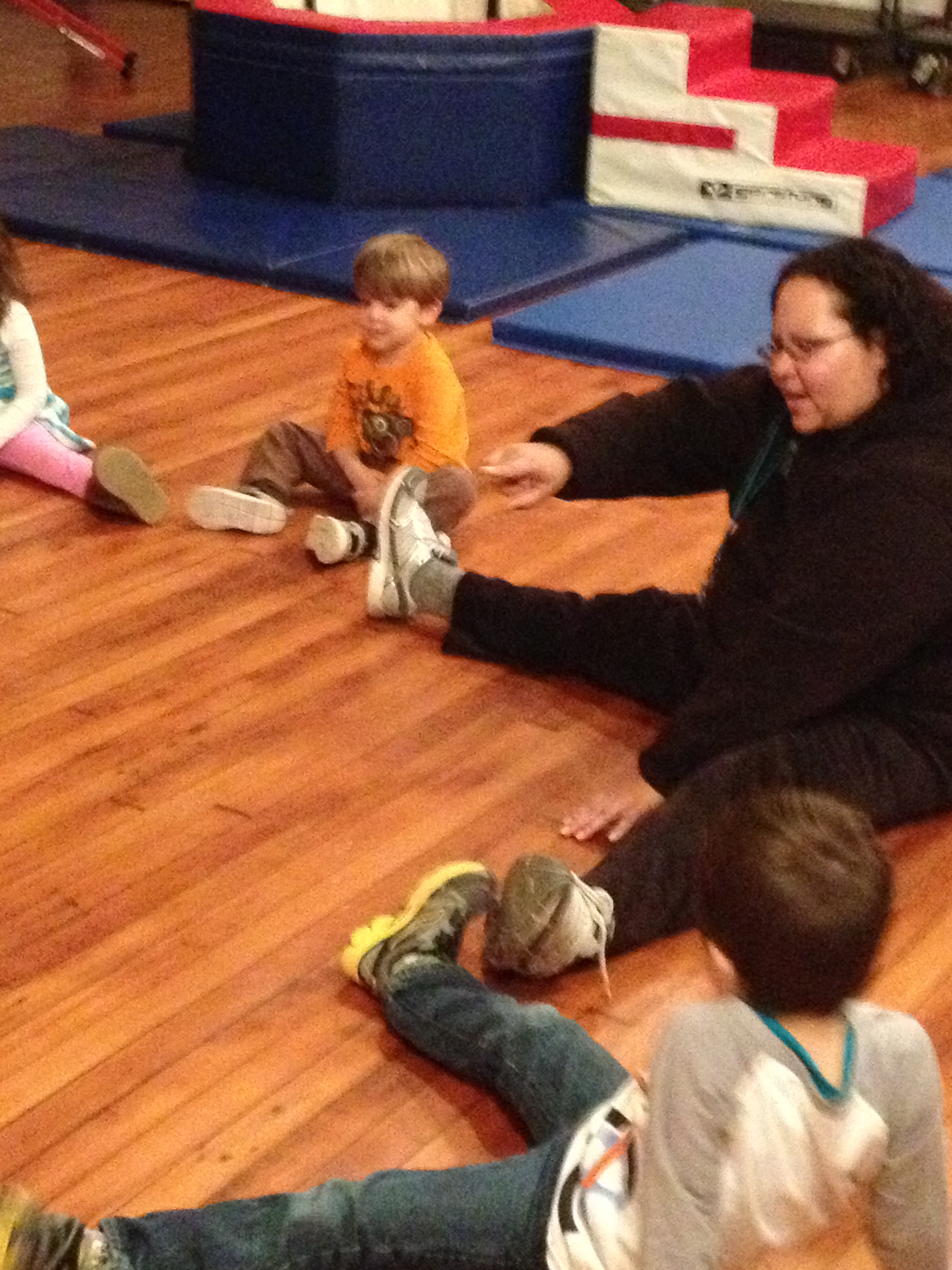
Spanish gym class

Senora Casado plays a game with primary students during gym class. “Encouraging the children to speak and communicate in Spanish is the goal in our weekly gym lessons,” she says.
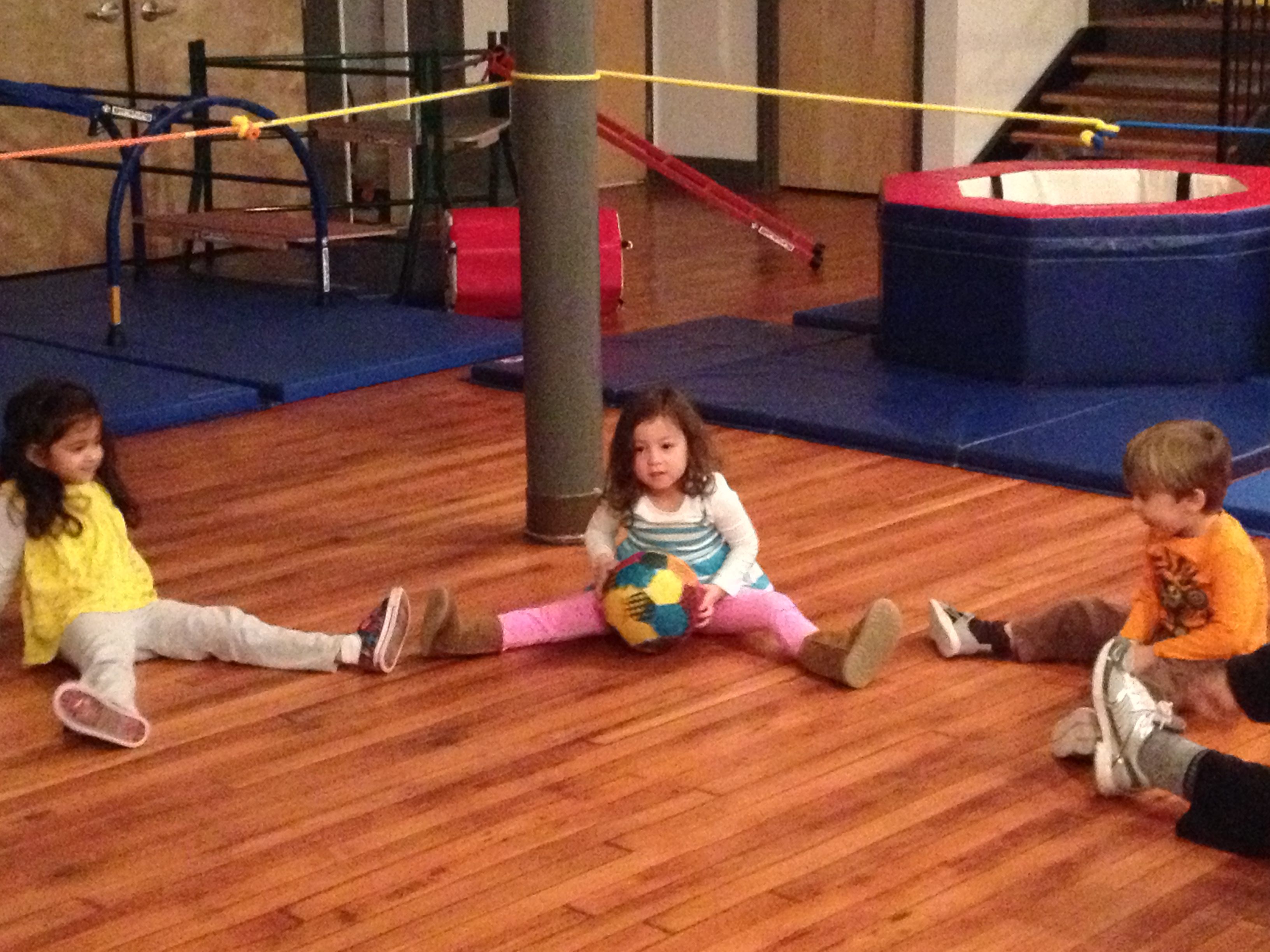
To play, students must understand and respond to commands given solely in Spanish. They learn lots of action verbs this way!

Students play Rolling the Ball (“Rueda la bola”), in which they roll the ball to a friend while reciting a Spanish chant. To play, students must also understand and respond to commands given solely in Spanish. They learn lots of action verbs this way!

At Home

A final piece that Ms. Warren is locking into place is with parents. Regardless of whether parents are themselves multilingual or not, TNCS is exploring ways to encourage and support language acquisition at home. You can learn along with your kid(s), or you can print and post the Word of the Week around the house. Ms. Warren can usually be found in attendance at TNCS Info Nights, and she is even considering holding an Info Night dedicated to language strategies parents can use at home.

Welcome to TNCS, Lisa Warren!

Have an anecdote, question, or comment to share? Your participation in this important discussion is welcome!

*Note: Mrs. Cooper-Danyali plans to implement curriculum maps for all other disciplines as well.
The Importance of Being Artistic

In a scholastic environment increasingly focused on science, math, and technology, the arts can get short shrift. This issue is not a new one, and yet, despite empirical data, loud protests from the vox populi, and common sense, the arts are always first on the chopping block. According to The Impact of Arts Education on Learning study, “The arts enhance the process of learning. The systems they nourish, which include our integrated sensory, attentional, cognitive, emotional, and motor capacities, are, in fact, the driving forces behind all other learning.” But education policymakers seem to persist in the belief that art is less important than the scientific disciplines.

Process-oriented Art

Not so at The New Century School, fortunately, where balance in all subjects is a primary goal, and the arts are as highly valued as anything else. Art teacher Jenny Raccuglia, with a B.F.A. from The Maryland Institute College of Art supplemented by classical art study at The Schuler School of Fine Art in Baltimore, originally began teaching at TNCS in their first year as Patterson Park Montessori and has been affiliated with the school ever since. The 2012–2013 schoolyear is her first year teaching dedicated art classes to all levels, pre-primary through elementary. She tailors classes to each level, so that no matter what their ages, kids are making the most of art class (see Art for All Levels below).

Jenny Raccuglia

Art teacher Jenny Raccuglia believes that art education is essential to human development

Mrs. Raccuglia’s approach to teaching art meshes very well with TNCS’s progressive, Montessori-inspired approach. Instead of perpetuating the dichotomy that traditional education is a teacher-led series of instructions to follow and Montessori is a student-centric and completely volitional (i.e., kids do what they want when they want, within reason), art class (and TNCS in general) merges the two. This union produces what Mrs. Raccuglia calls “process-oriented art” in which students are taught certain steps to create a project, but the spaces between those steps, says Mrs. Raccuglia, “leave a lot of room for individual interpretation.” The results are not only technically sound, but individual pieces show a broad spectrum of style, creativity, and  innovation. They’re really wonderful, in short.

Art for All Levels

Says Mrs. Raccuglia, “I approach each of the four groups [pre-primary through elementary levels] differently, but always with the goal of priming them for the next step.” Each group is assessed on age-appropriate manual dexterity and expression of creativity.

• Hands-on skills: In pre-primary (ages 2–3 years) classes, kids are taught the basics, like color-mixing. They learn what the materials are and how to use them appropriately (i.e., not to eat them, joked Mrs. Raccuglia). A typical pre-primary project is painting a paper mouse. Kids are given pre-cut mouse shapes to paint with a blotter, using their choice of color(s). This project gives them plenty of creative space and also takes into consideration that their manual dexterity is still developing. Grasping a blotter in their fists comes much more easily to them than holding a paintbrush. Thus, they build confidence by seeing the results of their handiwork while learning technique and effective material use. “Kids learn with their hands,” says Mrs. Raccuglia, “that’s how they explore the world. As long as they are confident in using the materials, I give them the opportunity to practice doing what they want with them.”


Primary art class

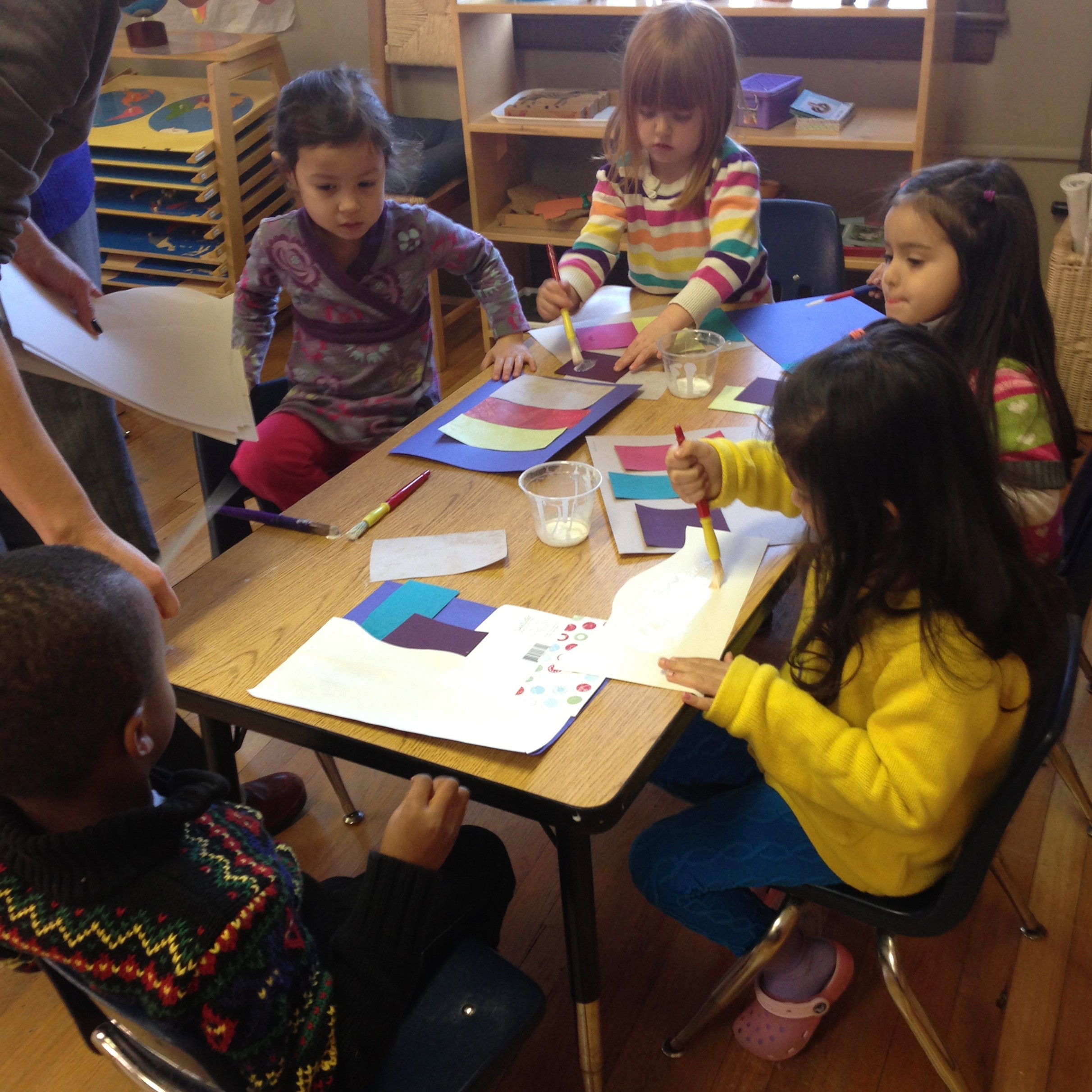
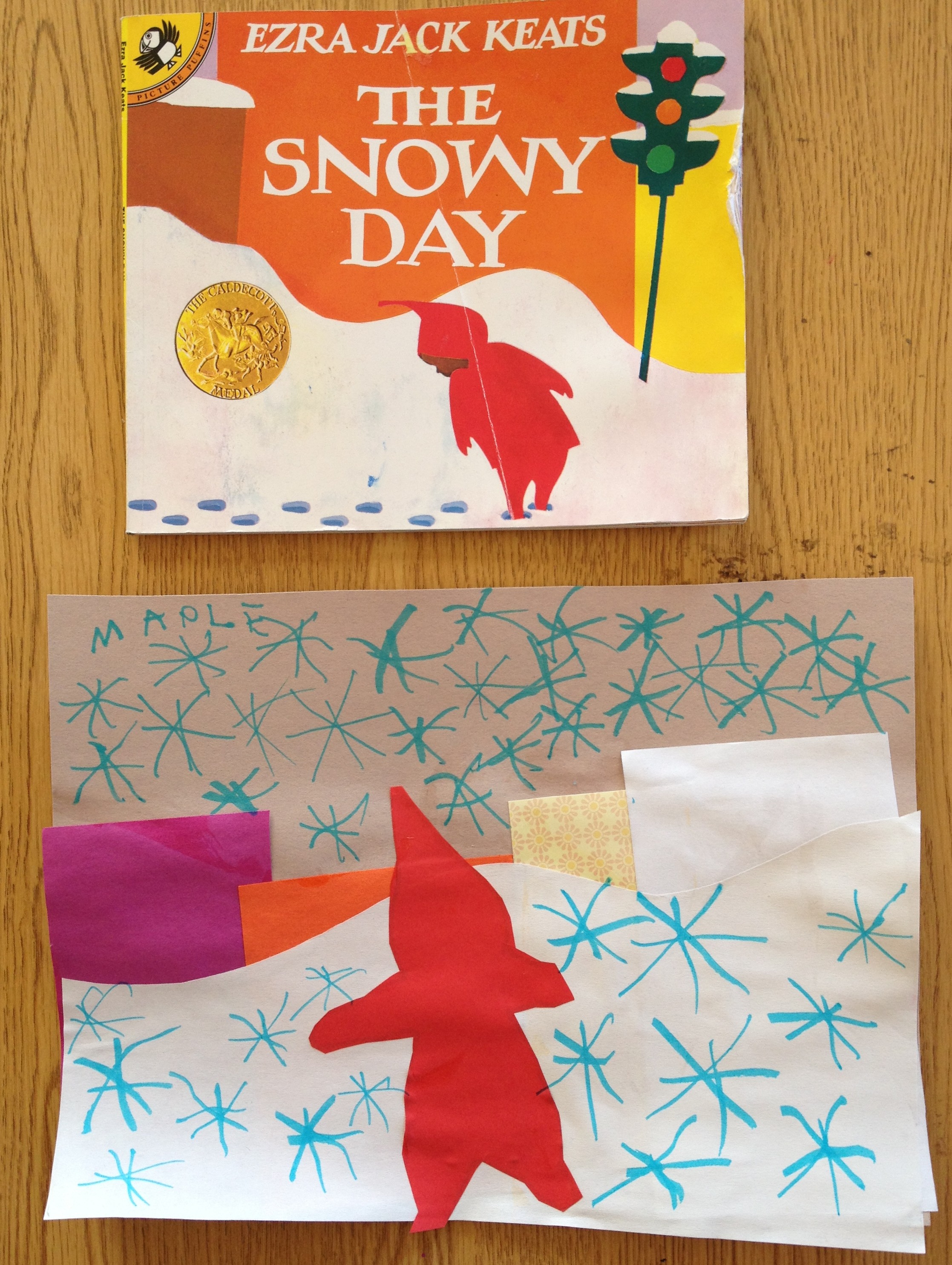
Primary students hard at work snipping, gluing, and arranging their own Snowy Days

• Creative autonomy: In primary (ages 3–5 years) classes, kids continue to develop their new skills and are encouraged to try new ways of approaching tasks. Assignments vary, but skills such as gluing, painting, cleaning brushes, and cutting are reinforced periodically throughout the term. Classes begin with what Mrs. Raccuglia calls an “imagination sparker,” which is a storybook that inspires the class project. Beginning class with a story also helps kids at this age transition to a new work cycle; it helps them shift their focus. The Snowy Day, by Ezra Jack Keats, is a recent example of this project structure. After hearing the story, kids were asked to design their own interpretations, using paper cutouts similar to the book illustrations. Mrs. Raccuglia stresses that the students should approach the project in new ways, rather than simply reproducing the original artwork, to gain confidence in their ideas. This approach drove another recent art project, in which kids designed owls to roost in a tree hanging in the TNCS all-purpose room. Parents might have noticed quite a bit of variance in each owl, even though kids drew from the same sets of materials. Says Mrs. Raccuglia, “the eyes shouldn’t always have to go on the face.” That’s one good way of making an owl, she concedes, but it isn’t the only way, and those other ways can spark tremendous creativity in children.

Note the variety of materials and media this primary student used to interpret the assignment

Note the variety of materials and media this primary student used to interpret the assignment

Art room

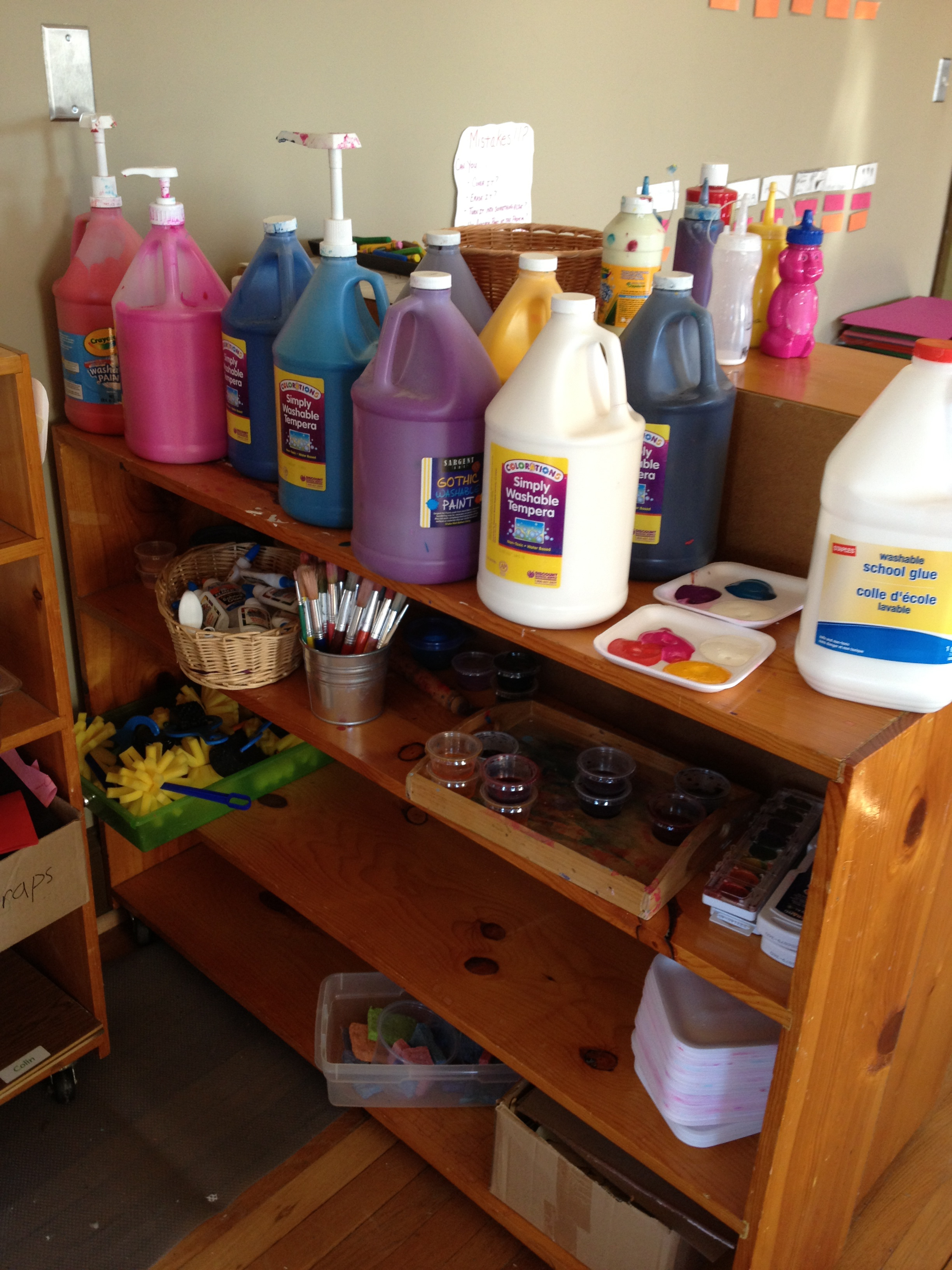
A variety of materials at the ready, placed Montessori-style within kids’ reach

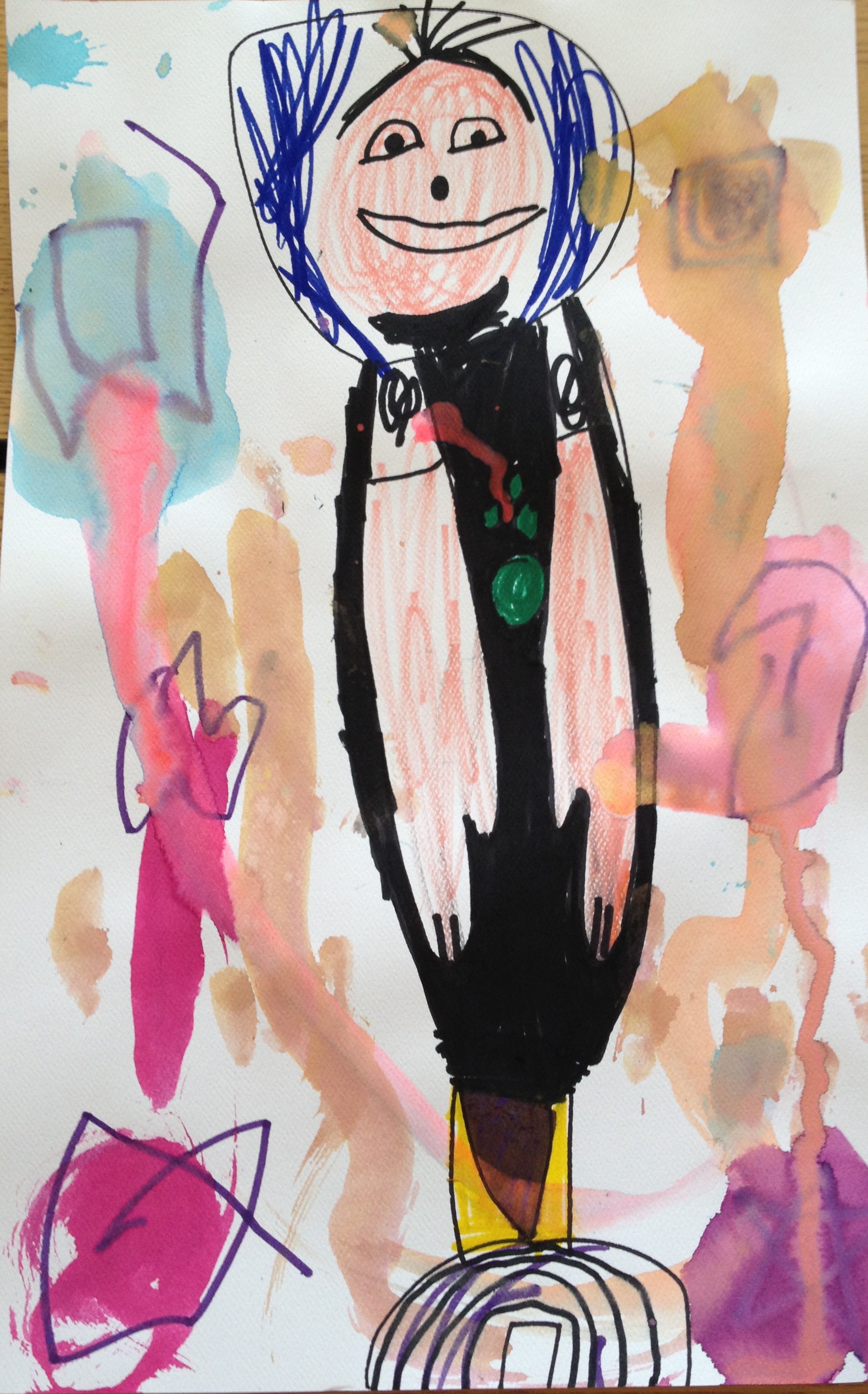
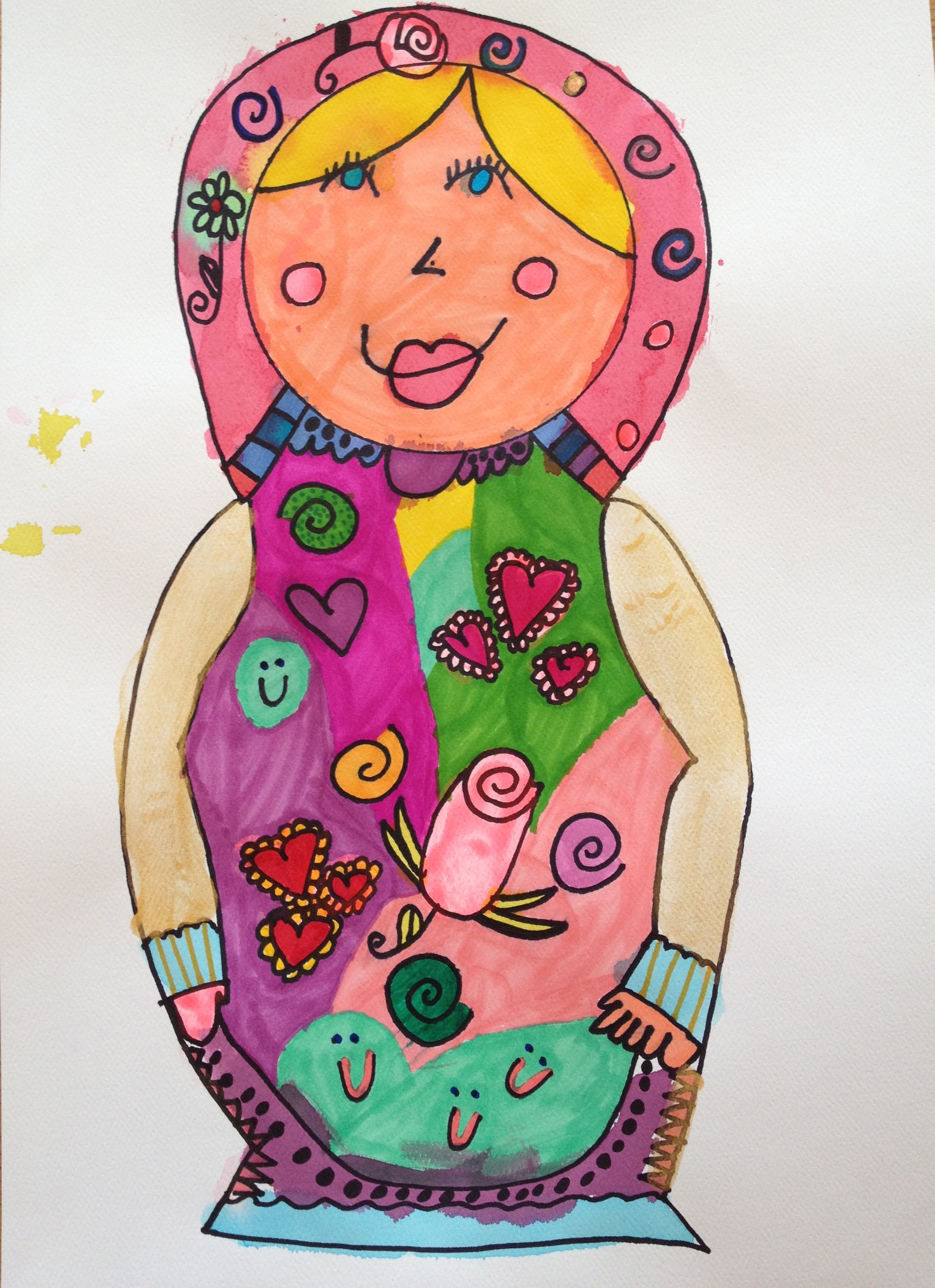
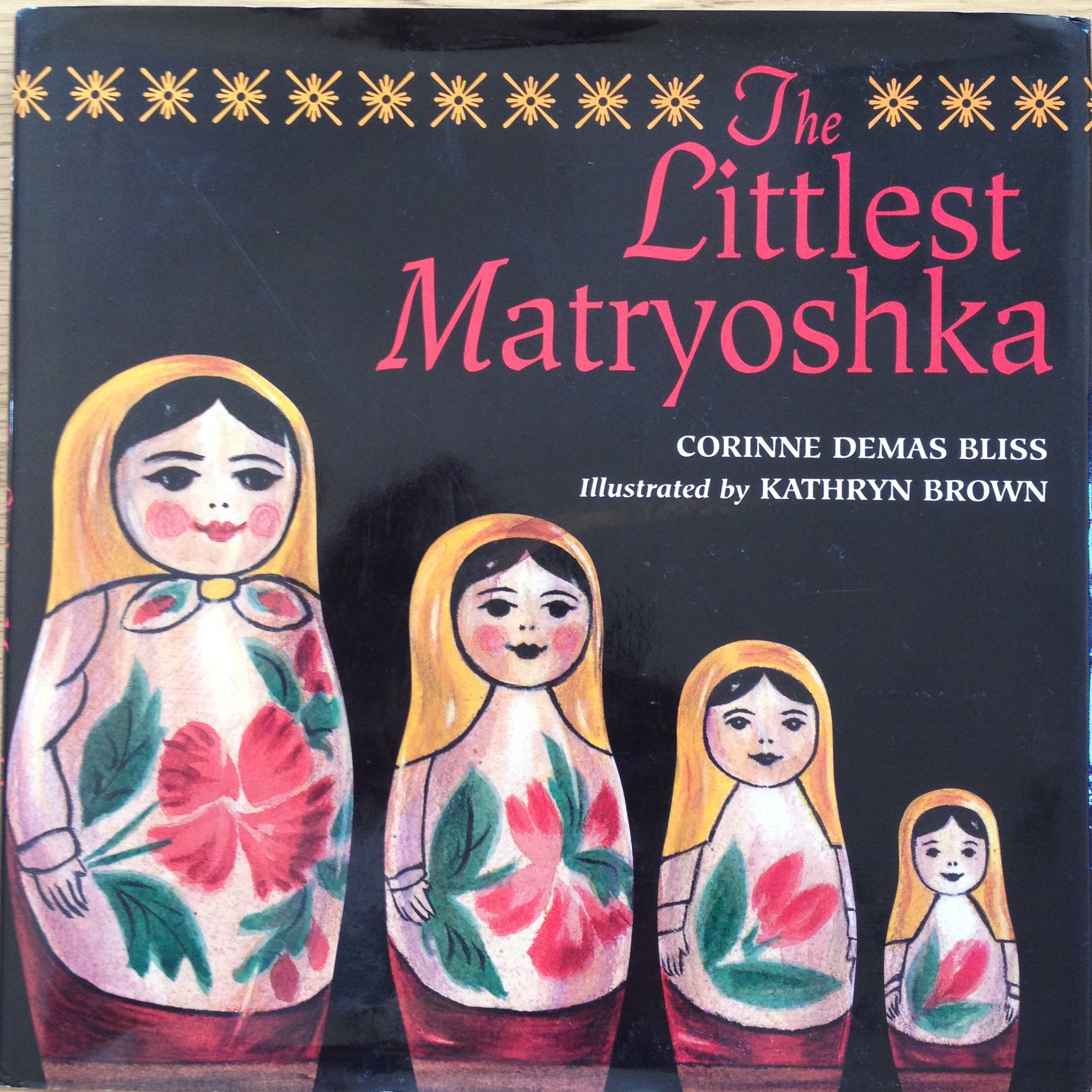
• Command of ideas: In kindergarten (approximately ages 5–6 years) classes, kids are further encouraged to explore. They have some technical fluency; now it’s time to really put it to use. Younger kids are willing to explore, according to Mrs. Raccuglia, but by this age they tend to think there’s only one right way to approach a project. We talked about why that is. By age 5 years or so, kids have begun to develop self-consciousness, to see themselves outside of themselves. This is a natural part of human development, but the initial reaction to this new awareness of self can be self-doubt and a tendency to retreat. So, Mrs. Raccuglia counters that with encouragement to trust themselves. “I don’t necessarily set out materials and say, ‘have at it,’ ” she says, “but I do introduce the project, set boundaries, and then leave plenty of room for experimentation.” It’s clearly working. In a project inspired by The Littlest Matryoshka (pictured at bottom), by Corrine Demas Bliss, kids designed their own matryoshka. Given just the basic outline of the doll, kids then had free range to design their doll however they chose. Other than their graduated sizes, sets of nesting dolls don’t vary, so this was a real test of kids’ ability to produce something according to their own lights. Just see how well they rose to the challenge!

This student brings a bit of masculine perspective to his doll---isn't it amazing how differently the individual kids see the same assignment?

This student brings a bit of masculine perspective to his doll—isn’t it amazing how differently the individual kids see the same assignment?

Although the doll in the story was a brunette, the student who created this lovely rendition chose to give her version more familiar coloring

Although the doll in the story was a brunette, the student who created this lovely rendition chose to give her version more familiar coloring

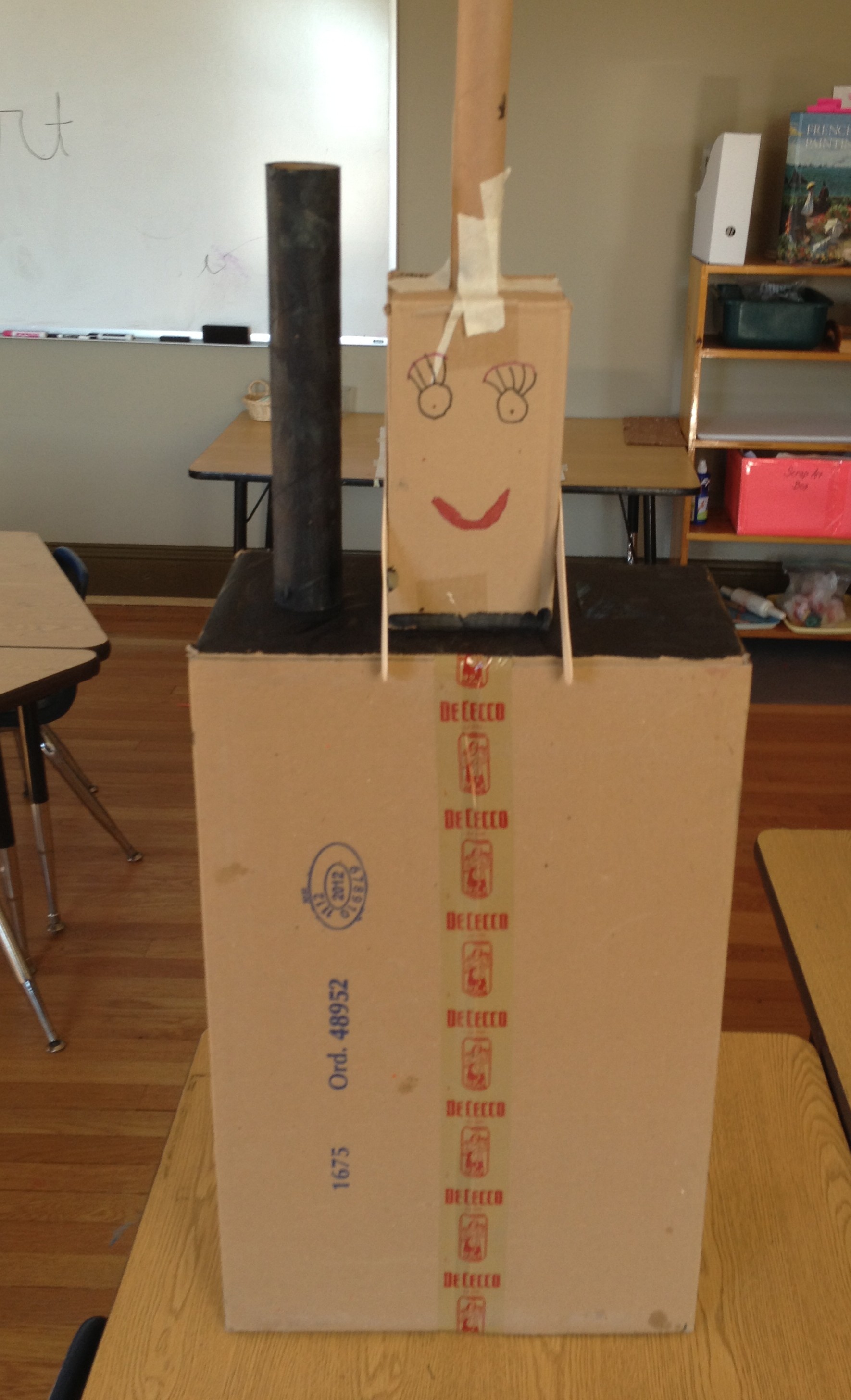
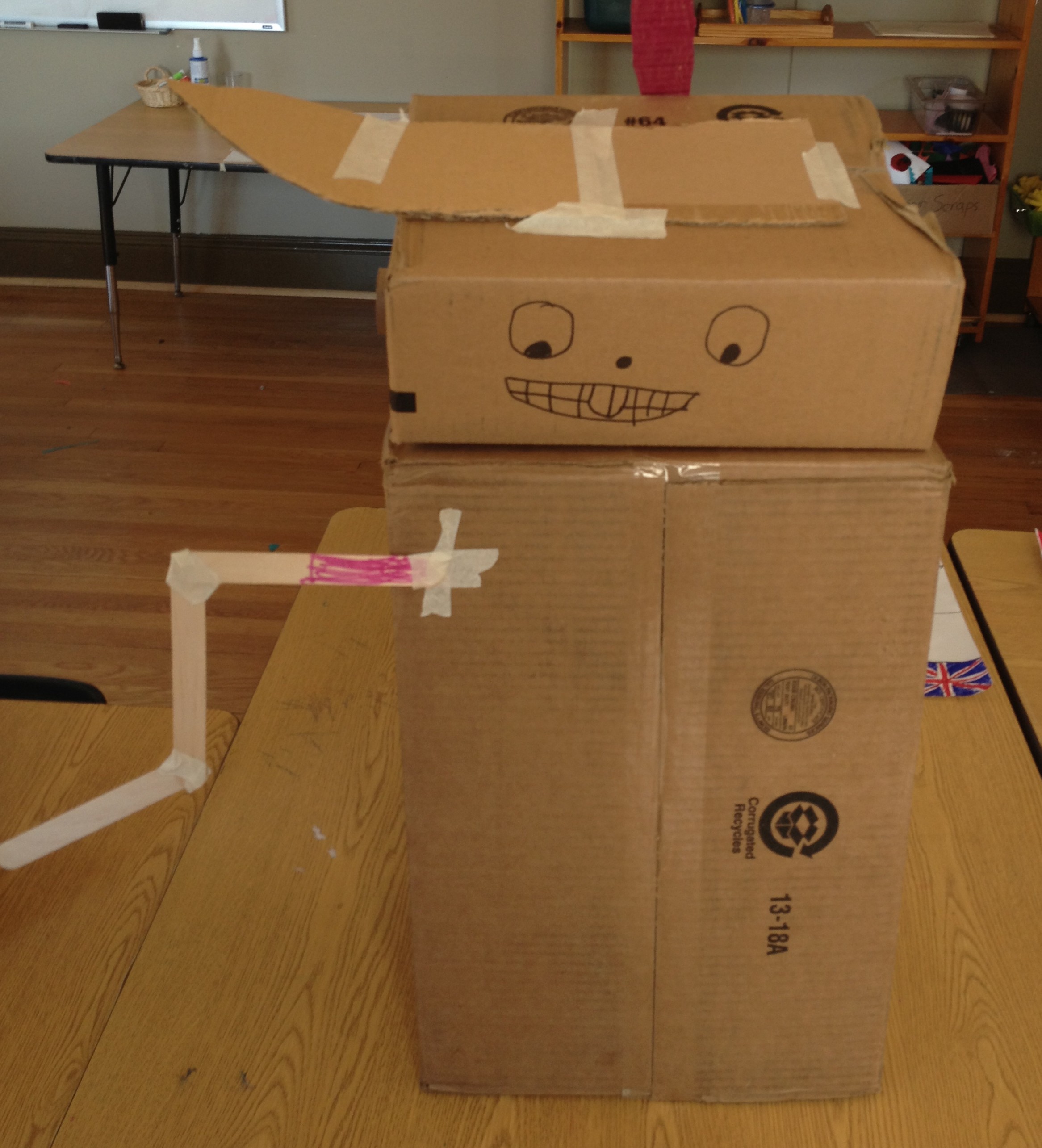
• Being artists: In elementary (ages 6 years and up) classes, kids have mastered basic techniques and are ready for new aspects of art to explore. They learn about artists, for example, and art history. More importantly, they learn how to think like artists. “The big secret of being an artist is not being afraid to make mistakes to get to something you like. Being an artist is fearlessly making mistakes,” says Mrs. Raccuglia. One way she fosters this receptivity to the experience of making art is by giving the elementary students “free days,” during which they present an idea to her, and she makes it happen by supplying materials and advice, if necessary. So, after a recent lesson about Da Vinci, the kids were naturally enthused about inventions and suggested building robots. “The main thing is to capture that idea,” says Mrs. Raccuglia, “and then we work out the how.” If the robots (pictured) are any indication, those kids feel incredibly empowered by this kind of trust and collaboration. The students also keep portfolios at this level, which they are encouraged to go back through periodically to finish up or revise individual pieces.

This robot likes to look her best

This robot likes to look her best

Elementary kids "invented" these robots after a lesson on Leonardo Da Vinci

Elementary kids “invented” these robots after a lesson on Leonardo Da Vinci

Postscript: Why Art?

It may be safe to assume that anyone reading this post has already answered that question for him or herself, but a new book on the subject could offer some new twists. In The Artistic Edge, author Lisa Phillips suggests that art is critical to teaching the life skills that kids will need to navigate adulthood. Phillips also lists the Top 10 skills children learn from the arts, a list that promotes qualities like perseverance, similar to those gaining currency by education researchers like Paul Tough, author of How Children Succeed and profiled in Getting the Education Nitty Gritty in this blog last November.

Mrs. Raccuglia says that Phillips’ list aligns closely with her own goals, and that’s easy to see. Creativity, Confidence, and Problem-solving (also a recurrent theme of this blog), are the top three on the list, and those themes cropped up again and again during our discussion (which, by the way, preceded publication of Phillips’ list). “If there’s one thing I want to successfully teach the kids, it’s how to build skills but stay open,” she says. Expanding on that thought, she says she often asks herself, “What is my role?” as she designs a particular project or lesson. “Not all of these kids will become artists, so what can I teach them that will help them through life? The ability to trust in their imagination and their own ideas,” she finishes emphatically.

What better qualities to instill in kids facing a very new and different world?

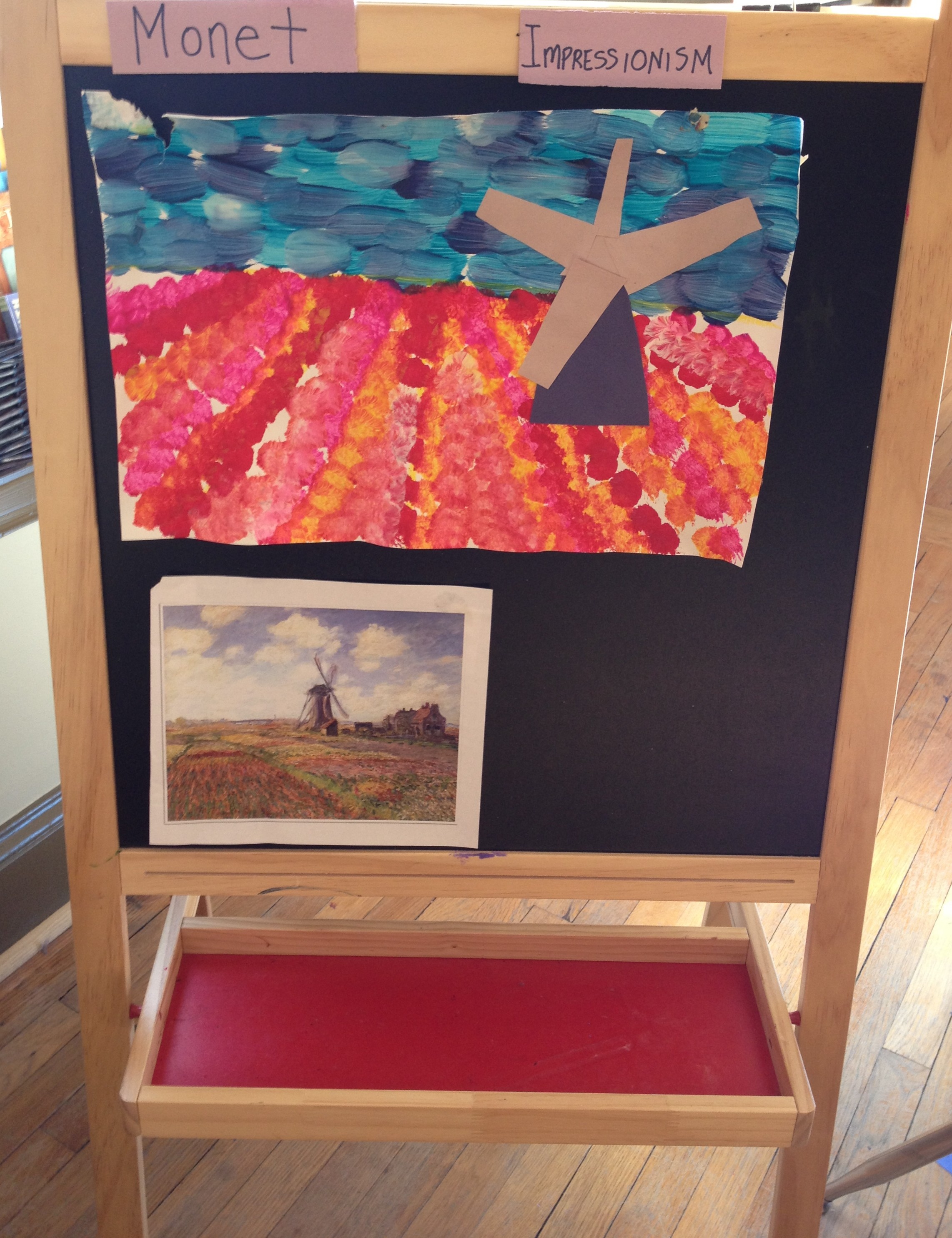
A lesson that incorporates an artist, a style, spatial perspective, and multiple media

A lesson that incorporates an artist, a style, spatial perspective, and multiple media

Projects start with the "imagination sparker"

Primary and kindergarten projects start with the “imagination sparker”

Have an anecdote, question, or comment to share? Your participation in this important discussion is welcome!

Elementary Program Merges Montessori and Progressive Education at The New Century School

Since its inception in 2007 (back then known as Patterson Park Montessori) as a preschool for kids ages 2–5 years, The New Century School has “grown up” right along with its student body. Adding a grade level each year to accommodate the earliest students and expand its scholastic reach, TNCS currently offers classes through 3rd grade. The 2013–2014 year will add 4th grade, and so on annually through grade 8. Watching this growth unfolding and the school really come into its own has been an exciting process for staff, students, and parents.

But what is elementary in a Montessori setting? Many find those concepts incompatible. In elementary school, after all, students are expected to achieve standardized goals, which, at its worst, can result in lecture after boring lecture masquerading as education. In the Montessori model, however, the classroom has much more relaxed parameters that allow room for voluntary exploration at an individual pace but that some say might not always be quite so academically rigorous. Let’s take a closer look at how TNCS has harmoniously merged these seemingly antithetical approaches to create an environment where real learning happens . . . and where kids want to be. They have choice, variety, and a say in their own education. Most importantly, they learn how to think.

First, it’s important to point out that for primary through elementary age groups, TNCS isn’t classically Montessori. Rather, they take the best of Montessori, such as fostering self-discipline and encouraging intellectual curiosity, and couple it with a profoundly progressive approach to education that includes a focus on foreign language acquisition, to forge something completely new. This unique blend grew out of a desire to provide the optimal learning environment. Alicia Cooper-Danyali, Head of School, says, “Our Lower Elementary program (grades 1–3)  focuses on the strength of meeting individual needs of mixed-age abilities, development of both Spanish and Mandarin, and true community building.”

Above all, learning should be an active process in which students are engaging with intriguing material, not a passive one in which they absorb factoids. TNCS is not education by osmosis; it’s a fruitful collaboration between student and teacher and among students themselves.

Here are some ways TNCS seeks to achieve this goal:

  • Small class size: The benefits to kids of individualized, differentiated instruction are innumerable. Kids are as different from one another as snowflakes, and their methods of learning are just as varied. Small class sizes allow teachers to customize each child’s education for the best, most effective fit.

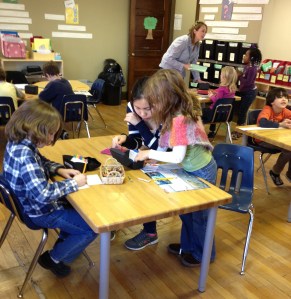
    kids are hard at work together and independently, fully engaged in their reading, writing, and core math and science skills

    The smoothly functioning TNCS elementary classroom is a marvel of productive learning.

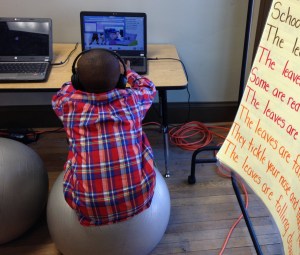
  • Enhanced learning via technology: Students in Lower Elementary use SuccessMaker and other state-of-the-art educational software daily to hone math and reading skills. They not only love this work, but the software programs are carefully aligned with national education standards, so the students are getting the foundational knowledge that secondary schools will require. Upper Elementary students will additionally learn basic computer programming.

    strengthening his core on a balance ball while honing his core curriculum skills

    Strengthening his core curriculum skills on the computer while strengthening his core on a balance ball!

  • Inquiry- and skill-based curriculum: A solid foundation in the core subjects allows teachers to develop science and global studies lessons based on student questions and interests. Being interested from the outset ensures students’ close attention and deepens their learning.
  • Mixed-age classrooms: Grouping students of various ages allows children to work at their skill level, not just their grade level. If they need more time with a particular concept, they get it. Likewise, when something clicks right away, they don’t need to wait for the rest of the class to catch up to them before moving ahead to the next wondrous topic of exploration. Mixing ages also continues the Montessori tradition of mentor–mentee relationships, which are mutually beneficial for social, intellectual, and emotional development.
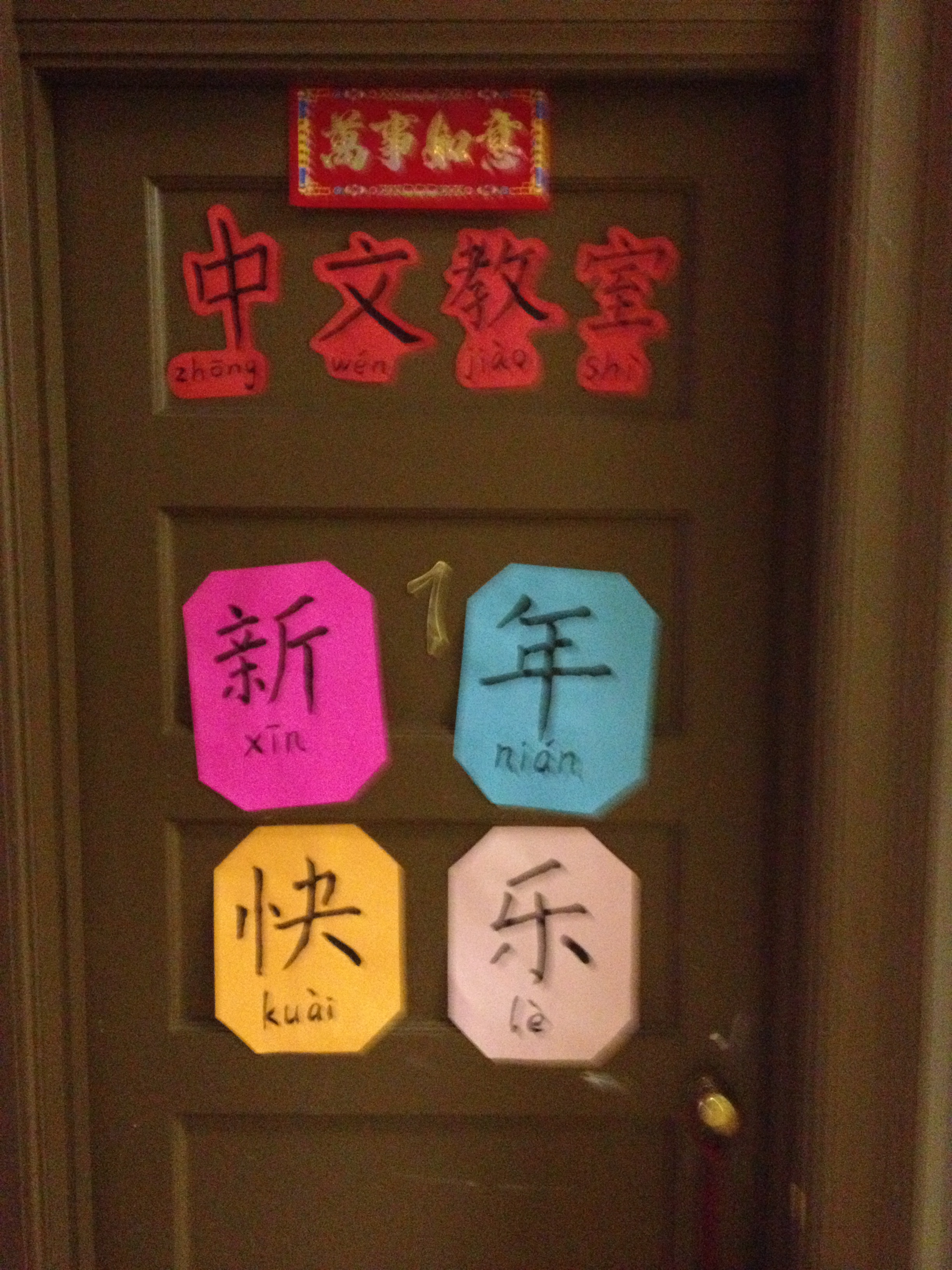
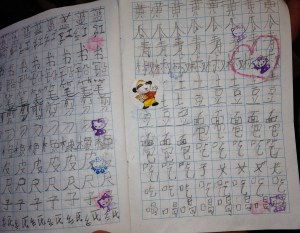
  • Spanish and Mandarin classes: Where else are students given daily lessons in both of these languages critical to global citizenship? They learn conversation, reading, and writing at a time when their brains are elastic enough to achieve real fluency with relative ease.

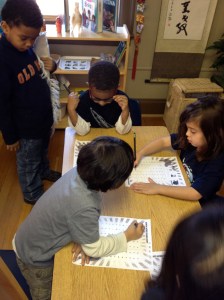
    TNCS elementary student's Chinese workbook shows great progress

    Chinese characters practice–Hello Kitty and friends signal a job well done!

  • Music, art, and physical education classes: On staggered days, students get weekly or twice weekly instruction in these areas so important for encouraging creativity, self-expression, and overall physical and mental health. In an atmosphere of looming federal budget cuts—some of which will surely impact education—U.S. public schools may find that they lack the funds to keep the humanities in their curricula, sadly.
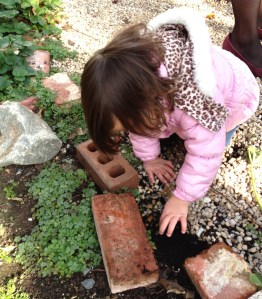
  • Field trips: The on-site greenhouse established by Master Gardener Emma Novashinksi affords plenty of opportunity for scientific investigation of all stripes. Lower Fell’s Point, TNCS’s “extended campus” additionally provides community involvement opportunities to broaden students’ social and environmental awareness.

    greenhouse visit is a chance to get hands dirty and explore caterpillar life

    In hot pursuit of a particularly interesting caterpillar!

  • Emphasis on values: Students at TNCS learn to treat themselves and others with respect. By the time they have reached the elementary level, this really shows. Peace, compassion, and kindness pervade the smoothly functioning elementary classroom.

Still have questions? Comments? Please let us know your thoughts in the comments section—we value your participation in this discourse! By the way, are any of your TNCS elementary kids among the original students from 2007? Let us know!

Also, did you know? TNCS is hosting an Elementary Information Night on Thursday, January 17, 2013 from 6:00–7:30 p.m. for current and prospective families. This will be the ideal opportunity to familiarize yourself with TNCS’s elementary programs, to ask questions, and to hear other families’ experiences.

TNCS cofounder Roberta Faux will offer a brief keynote talk, and free childcare is available. Click the above link to find out more and to RSVP. You don’t want to miss it!

Top 10 Reasons to Attend Montessori Kindergarten

Editor’s Note: For the 2014–2015 school year, TNCS modified the kindergarten program to better accommodate the growing student body. While the primary program still comprises a 3-year cycle, kindergarteners now move up to the elementary floor for a mixed-age K/1st classroom instead of kindergarten taking place within the primary classroom. This adaptation has proven a marvelous success and provides another very important transition mark for students as they broach their elementary years. The gist of the post below, therefore, now applies to the students ages 4 and 5 years approaching kindergarten. Kindergarten itself still bears many of the hallmarks described below but is not classically Montessori.

A common misconception about Montessori education is that it’s meant only for the preschool years. This misconception goes hand-in-hand with other assumptions made about Montessori—that it’s neither intellectually nor academically rigorous and that it’s too antiquated to stay relevant in today’s world.

Recently, TNCS hosted a Kindergarten Information Night during which it became clear that none of these is close to true of The New Century School kindergarten classroom. Said Alicia Cooper-Danyali, Head of School, “I feel the school focuses on the individual needs of the students, and the kindergarten children exit our primary group well equipped to segue into our elementary program that is mixed ages as well.” 

So, let’s turn those misconceptions on their heads and explore why instead of curtailing kids’ Montessori experience at or just after age 5 years, we might actually give students enormous advantages by sticking with Montessori into kindergarten (and beyond—but that’s another post)*.

Top 10 List of Reasons Kids Benefit from TNCS Kindergarten (in no special order)

1. Builds self-confidence. TNCS kindergarten class is a mixed-age classroom, in which the Ks are the role models. They have developed a sense of community with their classmates (many of whom have been together for 2 or 3 years) and relish their role as “community leaders” as they nurture and coach their younger classmates. Having themselves learned from older children, they now share with their peers as well as replicate the mentor role. Research has demonstrated the benefits of this mutually enriching dynamic.

kindergartners collaborate on a math project for donating dimes to Heifer International

This group of Ks is collaborating on a very special (but still secret) project. The multistep project draws on several disciplines and clearly has the kids’ full attention!

2. Features a sophisticated curriculum. Because of its inherently experiential nature, TNCS kindergarten offers students more “advanced” lessons than what they are likely to be exposed to in a traditional kindergarten. For example, math is not deconstructed into dry, application-less chunks fed through workbooks, but taught as a unified whole through observation and manipulation. This hands-on, “sensorial” learning opportunity is ideal for kids, because that’s how they learn (the research is unequivocal here). Their hands are direct conduits to their brains! Montessori materials optimize this trait of 3–6 year olds, and the resulting mathematical and intellectual sophistication they frequently exhibit is nothing short of amazing.

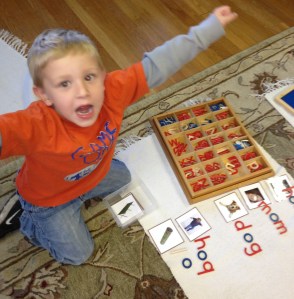
boy shows excitement and pride for his work with the moveable alphabet

Mastering the moveable alphabet really is exciting!

3. Teaches students how to learn. TNCS focuses on teaching for understanding. More and more evidence is coming to light that conventional classrooms yield students who can get the correct answer on a test, but come away from school lacking the ability to apply their knowledge in a different context. They have remembered, but they have not understood, and, therefore, they haven’t actually learned anything. In the progressive, Montessori-inspired TNCS class, by contrast, children’s natural inclinations to explore and inquire are encouraged. They build on each phase of their educational experience because they want to, and the lessons stay with them to be further built upon. They are not asked to regurgitate; instead, they are inspired to investigate.

4. Concepts are “clicking.” Because the Montessori curriculum is cumulative, what a child learns in the kindergarten year depends somewhat on what he or she has learned so far in Montessori. Kindergarten is part of a 3-year primary cycle, so maximizing the intellectual, physical, and social skills developed so far means completing the cycle. The first 2 years are all about concrete materials with which they use their senses to form impressions—to perceive. In the third primary year, the children begin to make mental abstractions from those concrete, sensory experiences. They transition from tracing sandpaper numbers with their fingertips or stacking rods in various hierarchical systems to performing mathematical operations based on these early explorations with numerical concepts in object form. Says kindergarten teacher Angela Lazarony, “This is the most exciting year for me. I get to see the culmination of our past 2 years together and watch the children really blossom.”

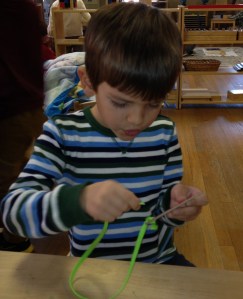
boy works diligently at lacing a card

This student works diligently to complete the project he initiated (and later put away without being prompted).

5. Lessons are tailored to the child, not the age. In TNCS classroom, each child progresses at his or her own rate because the class comprises individual and group work in addition to recognizing that children learn through a variety of methods. This eliminates the pressures to “catch up” or “slow down” to the level of the class as might be seen in traditional kindergarten classrooms. Working at their own rates and in what style best suits them allows kids to develop good work habits, such as initiative, the ability to process information, and the persistence to complete tasks (see Getting the Education Nitty Gritty and Inside the Montessori Classroom). Giving each child the room to develop self-confidence, to feel competent in his or her own abilities and to be interested in learning for its own sake, is the aim, not adhering to age-based sets of standards that are disconnected from the child’s experience.

6. Instills respect. Montessori is fundamentally about respecting each child as a unique individual who has worlds to offer. The natural extension of having been treated respectfully is that TNCS students in turn conduct themselves peacefully and compassionately, out of respect for their classmates and teachers (see Kindness Counts!). From self-respect to respect for others, the principle spreads outward to encompass the physical world. In the Montessori classroom, kids clean up after themselves and handle their materials carefully and appropriately. They learn the importance of caring for the environment (see Blown Away with Wind Energy) and gain social awareness (see The Baltimore Love Project).

primary teacher loves working with her kindergartners

Kindergarten teacher Catherine Lawson says, “This is my third year here, so I saw the kids come in at age 3, and now to see them succeeding as kindergartners is just so exciting!”

7. Environment is familiar and supportive. The kindergarten year marks a huge transition in the life of a child. Ks are poised to make giant emotional, social, physical, and intellectual leaps. We ask of them that they begin to read and write at school, for example, and to groom themselves at home. These changes are colossal in and of themselves, but just imagine how much bigger they must seem to a child also coping with unfamiliar (and quite possibly less supportive) surroundings! At TNCS, students feel safe and secure in the company of very special teachers who have known them for years . . . and understand them. In addition, the student-to-teacher ratio is lower than in most traditional school classes. Eliminating the extra stress derived from exposure to a completely different environment leaves more energy for TNCS kindergarteners to devote to cognitive development.

8. The Garden Tuck Shop Program. An all-natural, homemade lunch of wholesome, locally sourced foods (some even grown on-premises) is available for TNCS kids. Visit the website and Like Garden Tuck Shop on Facebook to view photos (warning: not while you’re hungry!) and to receive updates. Also see the interview with Chef Emma Novashinski in two parts in Sustainable School Lunch: Garden Tuck Shop Program Part 1 and Part 2.

9. The Lingo Leap. New in 2012, the Lingo Leap gym fulfills the dual purpose of exercising minds and bodies simultaneously, by conducting movement classes in foreign languages. Not only do TNCS students get access to state-of-the-art Gerstung gym equipment, they also get to practice and reinforce their language acquisition. This revolutionary approach to phys ed synergizes beautifully with TNCS’s progressive curriculum. See Exercising that Mind–Body Connection.

10. The “specials.” TNCS believes in developing the whole child, in cultivating those aspects that keep us humans humane. Kids receive special, separate instruction in art (post coming!), music (post coming!), and Mandarin and Spanish (posts coming!). It’s no secret that art, music, and language are key to personhood, but conventional kindergarten classes do not place the same premium on these areas of development. They give them a nod, certainly, but not typically as separate, dedicated subjects of study. TNCS Ks are given the educational breadth to flourish intellectually and artistically.

Let’s Hear it From the Kids!

Here are some responses to, “What do you like about kindergarten?”

What I like about Montessori kindergarten at TNCS is sharing and playing together.

I like sharing and playing together.

What I like about Montessori kindergarten at TNCS is doing the language drawers.

I like doing the language drawers!

What I like about Montessori kindergarten at TNCS are the words and numbers.

I like the words and numbers.

What I like about Montessori kindergarten at TNCS is also doing the language drawers.

I like doing the drawers, too!

*Note: Benefits of Montessori education aside, TNCS recognizes and respects that each family has a unique situation, and the decision to continue (or start new) at TNCS for kindergarten and beyond must be weighed very carefully for each family and for each child. The list above is meant to help parents in their search for the right fit by getting the information out there and dispelling some myths. Also, please forgive generalizations; this post does not have the scope to compare individual schools.

Please let us know your thoughts—we truly welcome your comments and feedback to keep education discourse fresh!