One of The New Century School‘s hallmarks is its commitment to language immersion. Having remained steadfast in this commitment throughout its 15+ year history, TNCS welcomes teachers who are native speakers of Spanish (and Mandarin Chinese and English) from all over the world. This cultural enrichment is another jewel in TNCS’s crown. To optimize the attainment of true language proficiency, TNCS starts immersing students in Spanish (or Chinese) at age 2 in the preprimary classrooms. The three preprimary classrooms are so essential to TNCS’s mission—they start students off on a pathway of lifelong joyful learning by helping them become self-motivated and through careful cultivation of cognitive and emotional development. This is precisely where educating the “whole child” begins.
This school year, Vianyely Loveras took over as lead in one of the preprimary Spanish classrooms, and she brings a wealth of heart and passion to her new role (she even has love in her name!). Walking into her bright, sunny classroom, visitors see smiles all around, including Sra. Loveras’s own.
Meet Vianyely Loveras!
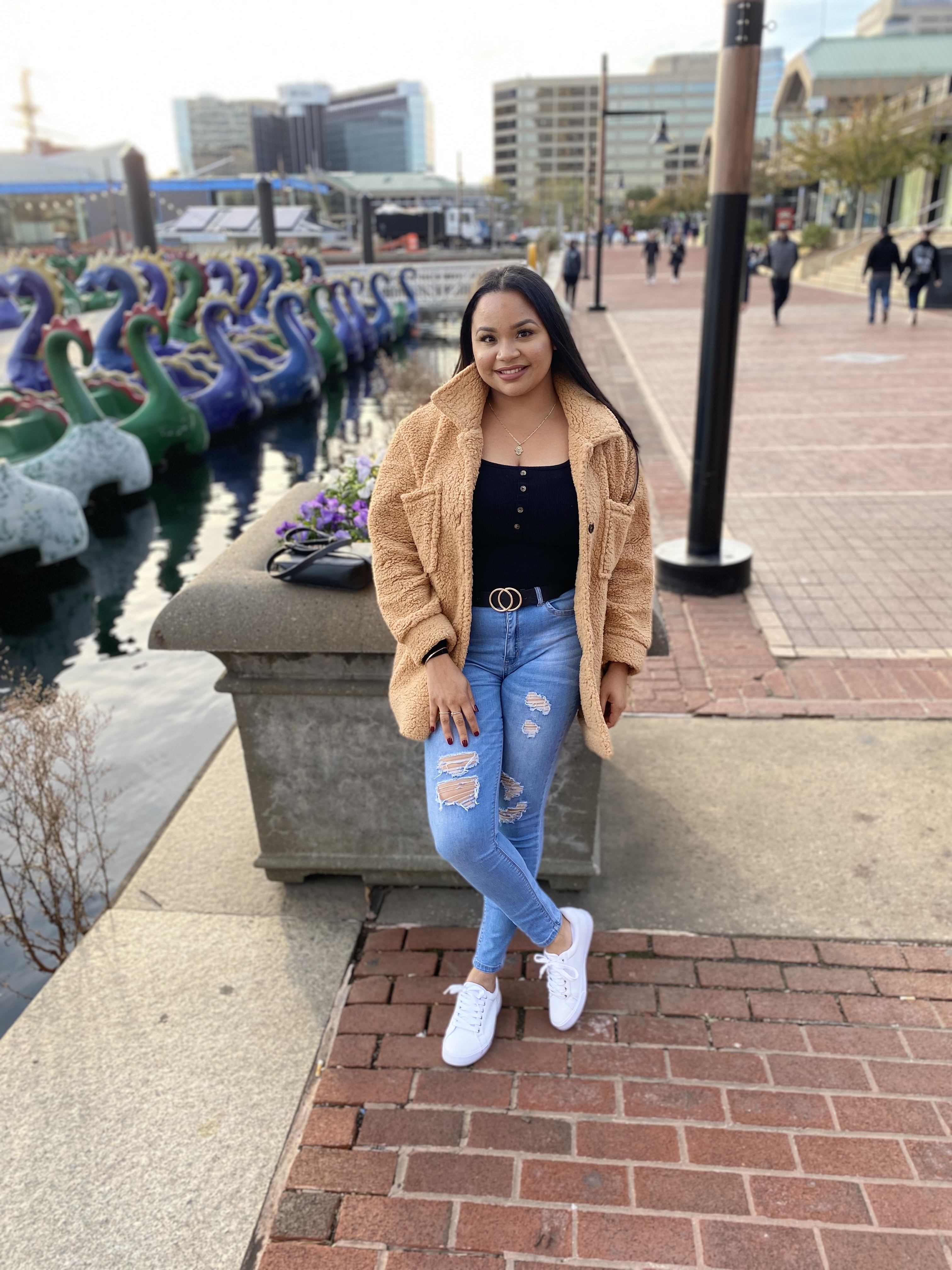 Originally from the Dominican Republic, Sra. Loveras’s journey to becoming an educator began with her early childhood education degree after moving to New York City in 2010. She attended high school there before pursuing higher education at Borough of Manhattan Community College (BMCC). “I went to college for early childhood education,” Vianyely notes, explaining that her career choice was influenced by family members who were teachers. “They always talked about how much they loved their jobs, and I too wanted to choose a career that I would actually enjoy. I have always liked kids, so I decided to give it a try, and I love it.”
Beyond her teaching career, Sra. Loveras is an esthetician specializing in waxing and eyelashes. She also enjoys art, particularly embroidery and macramé. “I learned macramé when I was in the Dominican Republic,” she explains, noting that school days there were shorter, running from 8:00 to 12:45, which allowed time for additional activities in the afternoon.
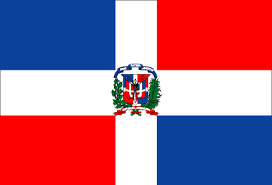 Sra. Loveras came to the United States in 2010, living in New York City for 8 years before moving to Baltimore in 2018. One thing she misses about New York is its authentic Dominican food, which Baltimore has so far fallen short on. In fact, Sra. Loveras’s Dominican heritage shines through in her love for her native cuisine. When discussing traditional Dominican food, she lights up, explaining a cultural touchstone known as “the flag.” “The rice, beans, and meat—we call it ‘the flag,'” Vianyely explains. “The white lines are the rice, the beans are the blue squares, and the red squares are the meat.” The cultural connection between food and national identity remains an important link to her homeland, which she tries to visit every summer to reconnect with family.
Sra. Loveras in the Classroom!
Although her early childhood education degree provided the foundation for her teaching career, she credits her hands-on experience at TNCS with deepening her understanding of Montessori principles and child development.
“I had not worked in a classroom until starting at TNCS,” Sra. Loveras shares. “This was my first job working with kids besides babysitting with my family.” She first joined TNCS in January 2020, just before COVID hit. After a 2-year hiatus, she returned in 2023, initially serving as Miss Garcia’s assistant before stepping into her current lead teacher role.
For Sra. Loveras, the transition to lead teacher came with both challenges and growth. “I worried that I wasn’t ready, but Miss Lane motivated me. She would say, ‘Yes you can do it, and I’m sure you’re going to love it.’ And I did. She was right!”
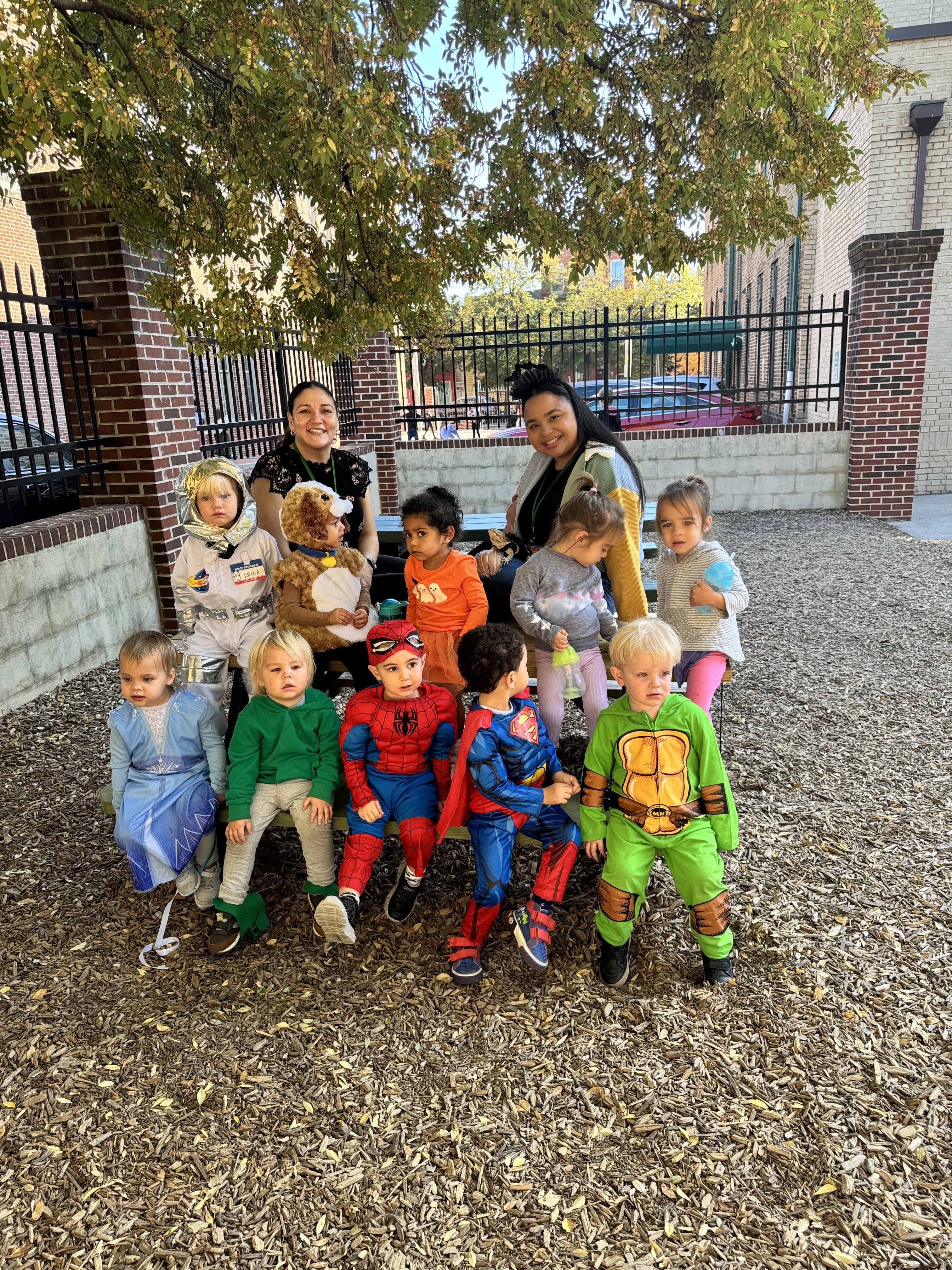
Sra. Loveras quickly embraced Montessori principles. “I am so impressed with how beautiful it is . . . how the children learn to do so many things on their own, how they become so independent. I also learn a lot by watching the other lead teachers in their classrooms. This philosophy just got in my heart.”
Currently, Sra. Loveras leads a classroom of 11 students, most of whom started as 2-year-olds. She and her assistant teacher primarily speak Spanish in the classroom, and her students are thriving. “They understand perfectly what we say. They tend to respond in English, except for those whose parents speak Spanish to them at home, but they are clearly learning.”
A typical day in Sra. Loveras’s classroom begins with the morning cycle from 8:45 to 10:00. “The second students take off their jackets and change their shoes, they start doing their work cycle. We always have food available for them in the kitchen, so if they’re hungry, they can have a quick snack and then return to their work cycle.”


At 10:00, the class gathers for circle time. “We sing songs, read books, and sometimes I show them a lesson from the shelf as a big group.” Following circle time, the students head outside for about an hour before returning for lunch, which they help set up themselves. Naptime runs from 12:30 to 2:30 PM, and dismissal is at 3:15.
Sra. Loveras takes pride in incorporating cooking and planting activities into her curriculum. “Today we made a banana shake. I love to cook, so that’s what we do much of the time.” Recently, her class joined with the other preprimary classes to plant sunflowers and milkweed for monarch butterflies.


While such daily activities certainly sound engaging and fun—not to mention a delight for all of the senses—Sra. Loveras is clear about the deeper importance of her work, and it informs every choice she makes regarding her students. She reflects:
Our role in the classroom goes far beyond caring for the children—though that’s a very important part. We are here to guide them, to create a safe and supportive environment where they can explore, learn, and grow independently.
We lead them gently in the right direction and give them the tools to discover things on their own. Even something as simple as tidying up becomes a meaningful learning experience. What may seem like a routine chore to us as adults becomes a powerful way for children to develop responsibility, independence, and important practical life skills.
Beyond the academic and practical learning, we also build deep, trusting relationships with the children. We are the familiar faces they see every day—the ones they feel safe with, turn to for comfort, and grow to trust. This emotional connection is just as important as the learning itself, and it’s something truly special to witness each day.
What brings Sra. Loveras the most joy as an educator is witnessing her students’ growth. “My favorite part is seeing how I teach them something today, and then tomorrow they come and they already know how to do it all by themselves. Sometimes they hear me and Miss Susanna, my assistant, say something to them in Spanish, and they come in the next day saying it. That’s the best part—to see their progress and how they enjoy what we do.”
 Sra. Salas started at


